If you’re running a trade business in Brisbane, that means you're brilliant with the tools! You can wire a house, build a deck, or fix a blocked drain with your eyes closed. But here's something nobody tells you: being great at your trade doesn't automatically make you great at running a business.
The numbers don’t lie, and most trade businesses plateau within three years. Staff leave when you need them most, your quotes are all over the place, you're working 70-hour weeks, but you're wondering where the money went.
That's where trade business coaching programs comes in. Real systems for quoting jobs, keeping clients happy, and making actual profit. The kind of coach support that helps business owners move from constant firefighting to sustainable growth with less stress.
So, let’s get into how the right business coaching can turn a good trades business into a great one.
A massive shift is currently underway among trade business owners across Brisbane. They're moving from "just getting through the day" to actually thinking like business leaders. The difference shows in everything from their bank balance to how they sleep at night.

Here's the problem, though. You can be the best sparkie in Brisbane and still have no clue how to manage cash flow. Or how to keep a good team from walking out. Technical skills come easily. But the business side? That's where most trades hit a wall hard.
Look at the construction employment data. The industry has a 7.7% hiring mobility rate in 2025. That means, workers jump between businesses all the time. The high turnover is about more than just money:
Business coaching helps trade business owners solve the daily problems that textbooks never mention. You get practical strategies instead of theory that doesn't work on real job sites.
Trade business owners in the construction industry deal with unique pressures every single day. In construction, material costs can skyrocket overnight, clients demand fixed quotes but change plans mid-construction, and your workload can swing from drowning in projects one week to chasing payments the next.
Business coaching gives these business owners real strategies to handle the madness. Not textbook theory. Actual tools that work on job sites with real clients and tight deadlines.
When your coach understands trades, you get advice that fits your world properly.
You know what kills most coaching relationships? Some consultants give you the most generic advice that sounds brilliant in theory but collapses the moment you're on site.
You can wave your business goodbye, if you try to apply standard business theory when you're dealing with emergency callouts at 2am. Because cookie-cutter advice doesn't cut it here.
Generic business coaching fails for trades because the daily realities on a job site are too different from running an office or retail shop. The right specialists understand real life nuances inside out:
Effective coaching goes beyond quick fixes. Research shows that the best coaches focus on helping you develop your own problem-solving skills. They will teach methods you can rely on again and again. In the end, you build a toolkit that works for your specific business in your real-world conditions.
Brisbane's construction market adds another layer, too. Competition for skilled workers is fierce here. Major infrastructure projects pull staff away. Clients want premium work at competitive rates. Your coach needs to understand these local pressures.
When your coach gets trades, conversations move faster. No time wasted explaining basic industry realities. You jump straight to real support that helps your business grow.
Cash flow hits trade businesses differently than other industries. You buy materials upfront, pay your team weekly, but clients often take 30, 60, or even 90 days to pay you. Meanwhile, bills keep flooding in.

The survival data from RBA shows that more than half of new sole traders don't make it past three years. It’s the cash flow problems that kill these businesses, not lack of work (and we've all watched that happen to someone we know).
You end up robbing Peter to pay Paul just to keep going. One late payment from a construction client wrecks your whole month. Your profit margin looks good on paper but your bank account tells a different story.
Business coaching helps you implement better cash flow control:
The right coach shows you how to build cash reserves for slow periods. That way, you learn to manage business growth without running out of money when you need it most. The better control you have, the less stress and more profit you get in your pocket.
Sometimes, as a trade business owner, you end up hitting a ceiling. You’re maxed out on hours, but the profit doesn't match the effort. But you can't make shadow clones of yourself like a ninja, so how do you actually make more money?
This is where it gets really interesting. Business coaching helps you spot where you're leaving money on the table. Poor quoting systems can cost you thousands per project when your price is based on gut feel instead of actual numbers.
Take a local electrician’s success story. He has doubled his revenue in 18 months. He cut his working hours by 30% at the same time. How? Better processes and a team that actually functioned without him on every project.
The right strategies change everything:
A good coach teaches you pricing methods that work for trades businesses. You learn which jobs bring real revenue and which ones just keep you busy. Your sales process improves as well, so better clients come through the door.
The result? More money flows in whilst you work smarter. Your profit grows because every job finally counts properly.
Flying by the seat of your pants works when you're a small business. But once you grow, the chaos catches up fast. Jobs are missed, quality slips, and you're stuck firefighting every single day.

Now, I'm not going to sugarcoat this. Building proper processes takes effort upfront. But the payoff? Less stress and more freedom than you've had in years.
Business coaching programs gives you exclusive access to create a structure that actually works:
Good business models free up your time for what matters. You get more freedom to focus on growth instead of constantly solving the same problems over and over.
Trades business coaching is much more than motivational speeches or fancy theories. It’s a real system that helps Brisbane business owners handle cash flow, quote jobs properly, and build teams that stick around. The right coach understands your world and gives you tools that actually work on employment sites.
The trade businesses that invest in proper business coaching programs see the difference fast. Less stress, more money, and actual freedom to enjoy life outside work. Your future success doesn't have to mean working yourself into the ground.
Confidence comes from knowing your business runs properly even when you're not there. That's what separates the trades businesses that survive from the ones that truly thrive.
Does running your business ever feel like spinning your wheels in mud? You’re pushing hard, yet nothing seems to move.
Plenty of small business owners know that feeling, and while they love the idea of growth, they dread the uncertainty that comes with it.
There's a better way. Clear, measurable business goals let you focus your energy and actually see progress. These strategies will have you achieving more in 90 days than most businesses manage in a year (and honestly, the process becomes energising once you see results).
In this article, we'll show you what makes goals work, a simple process to create them, and how getting support changes everything. You'll reclaim control and watch your company grow faster. Stay with us to learn how it all works.
Goal setting separates winners from strugglers because written business goals create accountability and direction that gut feelings never can. And when you look closer, the gap between growing businesses and stagnant ones isn't luck or resources. It's having clear, documented objectives. Believe it or not, that difference comes down to one thing: writing your goals down instead of keeping them in your head.

Let's look at two reasons why goal setting creates that advantage.
If you run a small business, you probably know what it’s like to make decisions on the fly. You trust your instincts, make a few late-night calls, and hope things go your way. It feels normal because that’s how most small businesses operate.
However, the problem is that gut decisions don’t show you what’s really working. Without written goals, you can’t see patterns or measure progress. Over time, that lack of clarity leaves you reacting to problems instead of steering the business forward. That’s why you stay busy every day, yet growth feels out of reach.
Smart goals work like a roadmap because they break your destination into specific, trackable steps. Once this happens, the SMART goals framework changes vague wishes into concrete business goals you can follow and achieve.
Based on our experience working with Queensland businesses, we've watched tradies go from scrambling for work to selecting customers within 18 months. Take this example: One Brisbane tradie set a goal to add 3 new customers every month. Six months later, he'd hit it consistently and doubled his annual revenue. Those quarterly objectives gave him real wins to celebrate instead of just grinding endlessly.
Now that you see why goals work, let's get into the actual process of building ones that stick.
Setting business goals feels like something you've tried before. They start with excitement, then fade into background noise within weeks. But it doesn't have to be that way. The difference between goals that die and goals that drive results comes down to having a process that keeps them alive.

Here's the system that bridges the gap between intentions and achievements.
You've got the process now, but here's the catch: most business owners still struggle to stay consistent without outside support.
You might be wondering if you really need someone looking over your shoulder. Let's be honest here, most of us do. Based on our experience with Brisbane business coaches, owners who work with coaches hit their business goals three times more often than those going solo. The accountability alone changes everything.

Three reasons coaching accelerates your progress.
With the right support in place, those business goals you set stop being wishes and start becoming reality.
Small business growth doesn't happen by chance. It requires direction, measurable targets, and consistent follow-through. When you lack these elements, effort doesn't translate into results. The solution exists, and it's simpler than you think.
This article walked through why documented targets outperform vague intentions, a practical framework for building trackable objectives, and the role external accountability plays in maintaining momentum. You now have the tools to shift from reactive to strategic.
Brisbane's top business coaches are ready to help you set meaningful goals and stay committed to them. Visit our directory, find the right coach, and start your growth journey today.
The idea of starting a new venture in Queensland is exciting. But it's also tough because Brisbane startups usually hit some common roadblocks. These issues slow your business growth or kill the business completely.
Still, the good news is that you can avoid these mistakes. All you have to do is know what they are and how to avoid them (we’ll cover both today).
In this article, we’ll walk you through the top five errors local founders in Brisbane make. You’ll also learn how to fix those blunders easily and improve your business.
Ready? Let’s get going.

Most Brisbane startups fail because of internal issues like poor financial planning, ignoring local nuances, and a lack of a solid growth plan. When founders mess up these basics from day one, even the most brilliant ideas won't save them. That’s painful, isn’t it?
Anyway, here are the five most common mistakes that cause Brisbane startups to fail early and how to fix them.
Poor financial planning is the big kahuna. Seriously, it's the mistake that kills more Brisbane startups than anything else.
It happens because founders get obsessed with their product or service and forget the money side completely. Instead of tracking cash flow or forecasting expenses, they just hope everything works out (Newsflash: it simply does not).
We’re not making this up. SCORE found that about 82% of small businesses go under simply because they run out of cash... not because the idea was bad or customers didn’t care.
Want to know how exactly this problem starts? Most founders grab just enough capital to launch. But they forget about the hundred little costs that pile up before you notice. Software subscriptions. Insurance. That piece of equipment that breaks. You get the idea.
Then there's forecasting. Too many owners create overly optimistic projections and assume sales will ramp up immediately. They also don't plan for clients who pay late.
When reality hits, the money's gone. Poof!
Pro Tip: Don’t chase every shiny tool or subscription. Ask, “Will this make me money or save me time?” If the answer’s no, skip it.

When new founders see a business model crushing it in Sydney or Melbourne, they copy it word for word and drop it into Brisbane. Then they wonder why it doesn’t work.
The truth is, the market runs differently in Brisbane. Our city has its own vibe, its own buying habits, and its own way of doing business. If you ignore these differences, you'll waste months chasing the wrong customers with the wrong message.
Here are some things that make Brisbane customers different:
The sooner you stop treating Brisbane like a test market, the sooner it’ll start treating you like a local.
Have you ever felt like you're running your business blindfolded? Like, you make decisions, spend money, and hire people, but you have no clue if any of it moves you forward. Sadly, that's life without a business development plan.
Look, a business development plan is your roadmap. It shows you how to find new opportunities, build partnerships, and make money. When you skip this process, you spend your days putting out fires instead of building something real.
Here’s an example. Unless you’re adventurous, you wouldn’t drive from Brisbane to Cairns without knowing the route. Yet founders try building million-dollar companies with zero direction. They can’t tell you where they want to be next year, and they have no idea how to get new customers.
Even numbers show you the differences. According to the latest statistics, businesses with formal plans grow 30% faster than those without one.
In our experience, a solid plan helps you figure out where to spend your time and money. Without it, you're just guessing at everything (it takes you to Nowhereland, which shouldn’t be fine unless that’s exactly where you want to go).
Pro Tip: Share your plan with your team. If you’re the only one who knows where you’re going, don’t be surprised when no one follows.

The fastest way to burn through cash is to have a non-existent marketing plan and try the "spray and pray" approach. Want to know how it works? You blast your message everywhere, cross your fingers, and hope something sticks. Well, sorry to break your heart, but it rarely works.
Unfortunately, too many Brisbane startups waste money on marketing like that. They run ads on five platforms at once, target everyone instead of someone specific, and don’t track which efforts bring in customers.
The money just disappears, and they wonder why that sales line on the graph remains flatlined.
You can solve that hopeless marketing issue with the fixes below:
If you treat marketing like an afterthought, don’t be shocked when customers treat your business the same way.
New founders believe they must handle every task themselves to save money, but this approach backfires quickly. For instance, they answer customer emails at midnight. They also design the website, do the books, write the marketing copy, and handle sales calls.
Meanwhile, the high-level work that actually grows the business gets ignored because they're too exhausted to think.
Here's the reality: you waste hours on tasks you're terrible at. A freelancer could've done that graphic design project you spent all weekend on in two hours. And those social media posts you agonise over? Someone else could handle them while you land that big client or fix your cash flow.
Let’s be real. The Beowulf days are over. You don’t have to fight every monster yourself. Just hire the right people and focus on what actually grows your business.
Based on our experience, that’s what successful founders do. They know when to let go, so they hire people smarter than they are and outsource what drains their energy. Then these founders focus on the few things only they can do (the things you can’t hire people for).
Sure, delegation costs money. But doing everything yourself costs the entire business. That’s a steep price, if you ask us.

When you hire a business coach, they help you gain an outside perspective that you can't get when you're stuck inside your own company.
Contrary to popular belief, you aren’t hiring them to tell you what to do. Rather, these coaches bring experience from working with dozens of other businesses. That means they detect patterns you easily miss and see problems before they become disasters.
We’ll get into more detail about how business coaches help you see the full picture.
You know how new business owners are always running around doing stuff, but somehow end the day wondering what they actually did? Yeah, that’s because they mistake being busy for making progress. It feels productive, but it’s mostly noise and motion.
That’s where a good coach helps. They help you stop spinning your wheels and notice the important bits. In other words, they’ll point out the two or three things that actually move the needle, so you stop wasting energy on things that don’t.
A good coach keeps you honest. If you say you’ll do something, they’ll check back later and ask, “So… did you do it?” You can’t bluff your way through that because they see right through you and push you to follow through, even when you don’t feel like it.
Business coaches also make you face your numbers (numbers never lie, Chico). Most founders would rather ignore the ugly stuff, but a coach won’t let that slide. They’ll sit beside you, crunch through the mess, and help you figure out what’s really going on before it gets out of hand.
Running a business involves knowing where to put your time and energy so it actually counts. When you plan properly, understand your market, and get the right people around you, things start to click, and your business grows.
In this article, we’ve covered the five biggest mistakes new entrepreneurs make in Brisbane. We’ve also shared how to avoid these issues and achieve the best results for your business.
If you’re ready to avoid more mistakes like the ones we discussed, check out our experienced coaches on our website. Do it today and take the first step towards sustainable growth.
Family-owned companies in Queensland deal with the mix of family life and work decisions. For example, when your business partner is also your brother, mother, or spouse, even tiny disagreements can escalate quickly.
If you’re concerned about these situations, don’t worry; we can guide you on how to handle them well without making things awkward with your family.
In this article, we’ll show how an outside coach’s perspective benefits family businesses. You’ll also learn how coaches handle tricky succession plans and help families grow without unnecessary conflict.
Ready? Let’s begin.

Coaching for family businesses works because it brings in someone who doesn't care about who said what at Christmas 2019. A good advisor focuses only on what improves the company's development and keeps everyone talking like adults.
Let’s take a closer look at how experienced business mentors support family enterprises.
Arguments in family businesses usually drag in years of old baggage and hurt feelings. Maybe Dad still sees you as the kid who crashed his car, which is why he doesn’t see you as the director making important decisions (tough one, we understand).
But if you get a coach, they step in as someone neutral who can set up clear rules for how you talk to each other. They help you separate roles, so ‘parent’ stays separate from ‘boss’. Then they build a proper process for handling fights before they ruin both your Sunday lunch and your sales targets.
Succession planning means deciding who will take over the business and when that should happen. A mentor helps you figure out if your son or daughter is truly ready to lead. Instead of just hoping things work out, you follow a clear plan that protects everything you’ve worked so hard to build.
To sum it up, a coach guides you to take the emotions out of big decisions so you can think clearly and choose what’s best for the business.
Pro Tip: Write down important decisions and agreements after every major discussion. It might sound simple, but it keeps everyone accountable and avoids those ‘I thought you said…’ moments.

Apart from hiring a business coach, QLD entrepreneurs can tackle specific challenges by getting support from the Queensland Small Business Commissioner and by applying for relevant grants. These are what you need to grow your family business during tough times.
It’s time to dig deeper into how these systems serve you.
The Queensland Small Business Commissioner (QSBC) helps small companies deal with red tape and disputes without going broke. The office provides advocacy, mediation, and clear guidance on regulations that would otherwise eat up your time.
Here's what the Commissioner does for you:
At the end of the day, the QSBC is there to make your life easier so you can focus more on running your business.
Finding the right funding requires a sound strategy and preparation. This is where a business mentor pushes you to figure out what you need and then builds a strong case for why someone should give you the money.
They simplify your funding process in the following way:
Once you’ve got your plan, your numbers, and your systems sorted, those funding doors start to open much more easily.

What facilitates a small business in Brisbane to grow and maintain that growth, especially when it’s a family-run enterprise? Two things: strong mental health and access to a coworking space.
When you care for your own mental health, you make better decisions and handle challenges confidently. Spending time in coworking spaces also helps by igniting fresh ideas and connecting you outside your usual circle.
We’ll get into more detail about these two support systems now.
If your mental health is in a good place, you make better decisions and handle stress more easily. But leading a family business can feel lonely sometimes. You can’t always share your worries with your staff, like putting your family home up for a loan.
That’s why we recommend hiring a business coach. They provide a confidential space to discuss those fears without judgment. In other words, the mentor becomes the person you can be honest with when the weight feels too heavy (a safe corner at last).
One great thing about coworking spaces is the people you meet. You get to work around other business owners from all kinds of industries, which enables you to step outside the family bubble.
For instance, you might hear how a tech startup fixes cash flow issues or how a cafe owner deals with tricky customers. Those chats spark ideas you can take back to your own business. Then a coach helps you decide which ideas make sense for you and how to turn them into action.
Better yet, you may even find new partners you’d never meet if you stayed in your usual office.
Family companies in QLD deal with different kinds of problems from regular businesses, but look at the bright side: you’ve also got something most don’t have: trust and commitment. A good business coach guides you through challenges and helps you protect those strengths.
In this blog, we’ve shown how coaching tackles severe issues like family conflict and succession. You've also seen how resources in QLD, like the Small Business Commissioner, can assist you with funding.
If you’re ready to hire a business coach, check out our list of coaches who understand the pressure you're under. Remember, the right support changes everything.
Business coaches of 2025 are pushing owners to move online so they can capture more customers, streamline operations, and stay competitive in a digital-first economy.
We've worked with many local brands that resist this change and risk falling behind competitors who've already adapted their marketing, operations, and customer service. They don't realise how much revenue they're losing until a tech-savvy competitor swoops in and takes their clients.
But you don't have to be one of them.
In this article, we'll share exactly why business digitalisation is important and how coaching speeds up the process. You'll learn:
Stay with us to know how you can future-proof your business and stay ahead of the competition.
The shift to digital is already here, and companies that haven't adapted are watching their competitors pull ahead. Right now, most people search online before they buy anything, whether it's a tradie, an accountant, or a local cafe. So companies without an online presence are losing the chance to connect with customers who are actively looking for their services.
Here's what you need to understand about this change and how it impacts a business:
Digital transformation means updating how your company operates, markets itself, and serves customers using modern technology. When businesses avoid going digital, they lose ground to competitors who show up first on Google and provide better customer experiences.
The modern marketplace rewards brands that meet people where they already are: on their phones, laptops, and tablets. If you're not there, someone else is taking that sale.
For example, a plumbing company that still relies on Yellow Pages ads and phone calls will lose customers to a competitor with online booking, Google reviews, and fast email responses. The gap widens every month.
In 2025, customers expect instant responses, online booking systems, and personalised services with the presence of digital technologies. Things are moving fast, and businesses without a solid online presence struggle to keep up with customer expectations.
That's why you need to update your marketing and sales process now. What we recommend, let’s focus on getting your brand found online, automating repetitive tasks, and using tools that track what's working. It’s because these strategic actions directly impact your profit and help your management team make better decisions about where to invest time and resources.
Now that you can see why digital adoption is unavoidable, let's examine the specific obstacles holding most owners back from making this transition.

Many small business owners struggle with these three main roadblocks: lack of technical know-how, tight budgets and time constraints, and no clear plan to follow through on digital changes.
Learn how to identify and overcome each of these obstacles to move forward:
We've seen many local Brisbane business owners freeze up when it comes to technology. They lack the confidence to use complex digital technologies and feel like they're falling behind every day. That's pretty normal considering most people started their companies based on trade skills or industry expertise, not IT knowledge.
However, the skill gap isn't permanent, and business coaching helps owners overcome these fears faster than trying to figure it out alone. The right guidance breaks down confusing tech into simple steps.
If you manage a small team with limited resources, you know how hard it is to find the time and money for digital upgrades. Every dollar counts, and spending hours learning new software feels impossible when you're already working 60-hour weeks.
That's where a business consultant can help you create a realistic plan that fits the budget and schedule. They'll show which digital tools deliver the fastest results for company growth, so you're not wasting money on things that don't move the needle.
Useful tip: Discuss your main time drains with the consultant so they can recommend tools that actually free up hours.
A professional coach gives the owners the outside push and accountability they need to get things done.
Here's how they bring strategy and keep you on track:
What's more, they make the whole process less painful by celebrating small wins along the way. So you get to feel good about progress instead of drowning in a sea of spreadsheets and software tutorials that all look the same.
Want to know which digital moves grow your brand instead of just adding more tasks to your plate? Well, the answer comes down to focusing on automation and customer experience. These two areas deliver the fastest returns because they free up your time while making customers happier at the same time.
In this section, we're going to cover specific tools and strategies a coach uses to give you a competitive advantage.
Good business coaching helps clients set goals by using digital tools to track their growth precisely. For example, they might suggest tools like Xero for accounting and HubSpot for customer management. These platforms offer features that save hours every week by handling tasks that used to require manual input.
The goal is pretty simple: to change manual processes into efficient digital workflows that work better. When you automate invoicing, appointment reminders, and follow-up emails, your team gets more time to focus on things that increase sales and profits.
Helpful Tip: Start by automating the most repetitive weekly task first, then build from there once you see the time savings.

Your coach lets you see exactly where customers get frustrated or confused in their journey with your business. Their recommended technology fixes these gaps and creates smoother interactions that keep people coming back.
For maximising customer satisfaction, focus on these two areas with the right advice and tools:
The right customer support systems help frustrated clients become loyal fans who refer others to your brand. So your marketing strategy should focus on making every touchpoint feel professional and personal. When the team spends less time on admin work, they can focus on higher-value activities like building relationships and closing deals.
A remote model lets any service hire talent from anywhere and reduces office costs. The employees get the freedom to work from anywhere, which means they're not tied to a physical location when opportunities come up.
This flexibility helps the service respond to customer needs instantly and adapt to market changes faster than operations stuck in traditional office setups.
If your company wants something similar, an advisor will suggest cloud-based digital solutions like Google Workspace and Slack to get you started without the headaches.
Once you get these solutions in place, it's time to look at how a business consultant future-proofs your growth for the long haul.
The difference between short-term wins and long-term success comes down to having someone who keeps you accountable and focused on the larger picture while you handle daily operations.
Let's explore how a consultant protects your investment and sets you up for sustainable growth:
Digital projects often drift or fall by the wayside when daily operations take over. The most significant factor separating successful initiatives from failures is external accountability and focus. And to maintain focus on your long-term vision, the consultant provides an external, professional view.
Here's how they ensure you stay accountable and focused:
Fun Fact: Most owners admit they've paid for software subscriptions they forgot about for over six months before cancelling them.

Based on your budget, team size, and industry, a consultant will recommend the right management systems that actually fit your workflow. There's no need to buy the fanciest tool if a simpler one does the job just as well and costs half the price.
So the consultant specifically matches tools to your actual needs, like choosing email automation for lead nurturing or project management software for team coordination. This strategic approach means you're investing in technology that scales with the business and supports real growth.
Every dollar spent on technology should come back to the business with a solid return. Otherwise, you're just collecting expensive digital clutter that nobody uses.
A consultant guarantees you're not throwing money at tools that sit unused or don't deliver value. They help track ROI, measure what's working, and adjust your strategy to focus on the tactics that increase profit and boost sales.
We recommend treating digital investments like any other business decision: test small, measure results, then scale what works. If something doesn't deliver after a fair trial period, you'll still have protected most of your budget for the next opportunity.
Many small business owners feel overwhelmed by technology choices, waste money on tools they never use, and watch opportunities slip away to competitors who adapt faster. But with the right coach guiding your decisions, you can avoid these mistakes and see better results.
We've covered why digitalisation is mandatory, the obstacles holding you back, quick-win solutions, and how coaching protects your investment. Now you know the exact steps to take and who can help you execute them.
Your competitors are already online, and customers expect digital convenience from every brand they interact with.
Visit Brisbane Business Coaching to connect with experienced coaches who help local companies modernise without the usual tech headaches and wasted budget.
Brisbane business owners hit the same wall over and over. You've got a solid product or service, but finding the right people to grow your team is rarely easy. Should you hire in-house and invest months building a loyal workforce, or outsource tasks to professionals who deliver results without the long-term commitment?
Both options work, but only if you understand the trade-offs. Hiring staff gives you control and cultural fit. On the other hand, outsourcing gives you speed and expertise over the payroll burden.
This guide breaks down recruitment versus outsourcing so you can make staffing decisions that fit your actual business needs right now. Let's dive into it.

Recruitment builds permanent employees who join your team full-time. On the flip side, outsourcing brings in external specialists for specific projects without long-term commitments or payroll obligations. That's the core difference between the two approaches.
Let's break down what each one actually looks like in practice.
The recruitment process involves advertising roles, screening candidates, conducting interviews, and onboarding new hires. You control every step from job description to employment contract, which ensures candidates fit your company culture and vision.
The process takes weeks or months, sometimes longer if you're picky about culture fit.
Staff outsourcing means hiring external professionals or agencies to handle specific tasks without adding employees to your payroll or office. These workers operate remotely, tackling projects like bookkeeping, graphic design, or customer support.
You pay for deliverables instead of salaries. Paying this way makes outsourcing flexible when workloads spike or you need skills your team lacks. Virtual assistant services let you access trained professionals with zero ongoing costs.
Remote teams let you hire talent anywhere, accessing specialists in different time zones who work while Brisbane sleeps. Video calls and project management software make managing remote workers easier than office setups.
What used to require face-to-face meetings now happens seamlessly online. And as it turns out, global talent pools offer cost savings and diverse expertise.
According to Australian Bureau of Statistics workforce data, 1.1 million Australians changed employers in recent years. The data shows high workforce mobility, which is exactly why accessing global talent can stabilise your team.

Outsourcing gives you instant access to experienced professionals without recruitment delays or training costs. What's more, you skip the long-term commitment of adding permanent staff to payroll.
Here's what makes outsourcing staff worth considering for your business.
Allowing businesses to adjust their workforce with no HR headaches is exactly why outsourcing works for growing teams.

Businesses keep recruitment in-house because it builds loyal teams who strengthen company culture and stay invested in long-term goals.
If you've ever wondered why your competitor refuses to outsource hiring, here are three solid reasons.
Developing staff internally creates knowledge that stays inside your business instead of walking out when a contractor finishes. Your team learns your systems, customer preferences, and operational quirks. At the end of the day, they become faster and more valuable with every project they complete.
Besides, internal development shows employees you invest in their future. It boosts loyalty and reduces turnover, which disrupts workflow and client relationships.
Company culture grows stronger when permanent staff share values, work together daily, and build relationships that strengthen collaboration. In other words, culture isn't something you can outsource.
And that’s mostly because contractors rarely join team meetings or planning sessions where culture gets reinforced. Hiring internally lets you screen for cultural fit during interviews. When you screen for cultural alignment first, new team members strengthen your workplace environment rather than dilute it.
Some industries need deep regulatory knowledge that takes months to develop. Finance, healthcare, and legal businesses benefit from permanent staff who understand compliance requirements and Fair Work Ombudsman hiring guidelines. These guidelines protect your company from expensive regulatory mistakes.
Meanwhile, internal specialists keep confidential information secure and build expertise over the years instead of resetting with each contractor.
Now that you understand both approaches, let's compare them directly so you can see which staffing model fits your business needs and budget.
| Factor | In-House Recruitment | Outsourcing Staff |
| Costs | Salaries, super, office space, training expenses, payroll tax | Pay for deliverables only; no benefits or office costs |
| Time to Start | 4-12 weeks from job ads to onboarding | Days or hours for urgent tasks |
| Flexibility | Fixed workforce; scaling requires redundancies | Scale up or down instantly without HR drama |
| Control | Complete oversight of operations and tasks | Less control; focus on outcomes |
| Culture | Hire for company values; employees integrate long-term | Contractors work remotely; limited integration |
| Skills | Build industry knowledge through internal training | Access global talent and specialists immediately |
| Commitment | Permanent employment with stability | Project-based; no long-term obligations |
| Security | Full control over data security and compliance | Requires secure channels and access management |
The comparison shows clear trade-offs between hiring staff and outsourcing to agencies. Outsourcing wins on speed and flexibility. You get trained professionals handling tasks within days, and you're not locked into permanent employment obligations when projects finish or workloads drop.
In-house recruitment works slightly differently. It takes longer and costs more upfront, but it builds loyalty and strengthens company culture over time. Your employees understand business operations, share vision, and stick around long enough to develop real expertise in your systems.
For most Brisbane businesses, the right answer isn't choosing one extreme. Instead, you're better off blending both approaches based on which responsibilities need permanent staff and which tasks suit contractors.

Most Brisbane business owners focus on salaries and contractor rates, but the real costs hide in benefits, turnover, training, and time spent managing teams.
First, think about your in-house staff. Employees need super, workers' comp insurance, office equipment, laptops, and ongoing training that adds 30% to their base salary annually. These expenses reduce your ability to invest in business growth.
However, outsourcing doesn't escape hidden expenses either. It mainly racks up costs through revision rounds, communication delays, and management time briefing professionals who lack context about your operations.
Besides, turnover hits the workforce particularly hard. Replacing one employee costs at least 50% of their annual salary in hiring fees and lost productivity.
So, what's the takeaway? Contractors and agencies charge premium rates upfront but eliminate leave, sick pay, and redundancy obligations down the track.
The right talent strategy saves your business money, speeds delivery, and builds a team that scales with growth.
Most Brisbane business owners struggle with this decision every time they need more hands on deck.
If you're struggling to decide, hire a business coach who can assess your needs and guide you toward the right strategy.
Outsourced workers need access to customer data and business systems. When you give external teams access to sensitive information, you're opening the door to security risks. And you need strong contracts, tight access controls, and proper compliance processes to protect your business.
So what goes wrong when businesses skip the security basics? Outsourced staff handles your customer information and proprietary systems daily. If your contracts don't include clear confidentiality clauses, you're leaving sensitive data exposed to potential breaches.
The fix is straightforward. Use non-disclosure agreements, limit system permissions to essential tools, and require two-factor authentication for every remote worker. This protection becomes absolutely necessary with offshore teams operating outside Australia.
Australian businesses must comply with Privacy Act requirements when sharing customer data with contractors in different jurisdictions.
Look, regular security audits and secure communication channels help reduce risk. But the reality is that in-house teams still give you tighter control over sensitive information and operations.
Brisbane businesses waste thousands every year on outsourcing mistakes that could've been avoided with better planning and realistic expectations. Many small businesses face workforce challenges, including skills shortages that make poor decisions even costlier. The good news is that most of these mistakes follow predictable patterns.
Watch out for these traps when you're outsourcing staff or services.
These mistakes cost you time, money, and client relationships unnecessarily.
Combining permanent staff with outsourced specialists gives you stability and flexibility when you need it most.
Brisbane businesses that get this right mix in-house core competencies with outsourced professionals. You get stability from permanent staff who understand your operations and flexibility from contractors when workloads spike. Why does this approach work better? Well, most businesses need both control and adaptability to grow sustainably.
Our suggestion is to keep customer-facing roles, strategic planning, and leadership positions in-house where company culture and long-term vision drive decisions. These roles require people who understand your business values deeply. Contractors juggling multiple clients can't provide that same commitment.
In contrast, outsource administrative tasks, seasonal demand spikes, and technical one-off projects that don't need permanent headcount. These tasks don't require deep company knowledge to execute well. Virtual assistants handle support work efficiently without office space or full-time salaries.
Worth Noting: This hybrid model protects your company culture while giving you access to global talent for specialised skills (and it saves you from hiring mistakes). Regular communication between in-house staff and outsourced workers prevents information silos and keeps brand messaging consistent.
Your staffing decisions shape your business future across Australia, so take time to evaluate both outsourcing companies and in-house recruitment against your actual specific needs instead of following industry trends.
Mix both approaches strategically rather than picking one extreme, and you'll build a team that adapts when market conditions shift. The best Brisbane businesses use hybrid staffing models that streamline operations, improve efficiency, and maintain service quality through highly skilled professionals while reducing costs.
Need help creating a staffing strategy that actually works for your business? Speak with our team at Brisbane Business Coaching to build a hiring plan that supports sustainable growth without breaking your budget.
Here are the most common questions Brisbane business owners ask when deciding between hiring a local team or outsourcing to agencies and outsourcing companies.
Leadership responsibilities, HR work involving employee disputes, and core operations handling confidential financial data should stay with in-house staff. These positions protect company culture and require deep expertise in your business operations and infrastructure.
You schedule regular check-ins through video calls, include remote professionals in team celebrations, and set clear expectations by documenting your company values. When outsourced staff work across different time zones, consistent communication becomes essential for maintaining service quality and operational efficiency.
Local Brisbane staffing agencies and outsourcing companies cost more than offshore services across Australia. However, they eliminate time zone issues and workforce challenges like language barriers while reducing costs in other areas. Highly skilled professionals understand Australian business practices and client expectations, which often justifies the higher expenses for growing businesses seeking to streamline operations.
A recruitment business coach analyses your specific needs, evaluates whether to hire employees or use outsourcing services for tasks like software development and engineering support, and helps avoid expensive mistakes. Business coaches bring industry expertise and resources that help you improve efficiency and make smarter talent acquisition decisions, allowing companies to scale effectively.
Updated: 19 April 2026
Growing a business is a multi-layered undertaking rife with ongoing decisions that may have little to do with the inspiration behind your business idea. Sales and marketing are both foundational layers for a business's growth.
No business can be successful without both targeted approaches to generating revenue. But from the start, they require proper care and attention. Business growth can grow stagnant with slow marketing and sales. Even if you have a fantastic business idea, low sales and marketing plans can hold you back from success.
While it is easy to lump sales and marketing together in the planning process, they are both distinct business functions requiring attention and different approaches. A successful strategy begins with understanding the two and developing sales and marketing plans to support one another. Once you know them, you can integrate tools and marketing or even outsource the process to an expert agency.

The marketing plan is a communication tool to take your ideas and vision from your head to the customer's cart. It lays out four essential elements of a product: the price, the market, and where to find it. This stage is also what marketers call the 4Ps of Marketing: product, price, place, and promotion.
As you make this plan, you will set goals, home in on the marketing channel, and develop a marketing campaign. It requires teamwork and collaboration. Marketing goals are typically big picture and promote the overall brand, service, product, and company. The marketing team will price the product and market them in a way to bring in customers.

The sales plan focuses on the sales process — namely, the target market, team structure, and goals. A sales plan will outline tools and resources to hit the goals.
Sales goals are quantitative, centering on sales volume and quotas. You can measure these goals and re-evaluate them on a month-to-month basis. Understanding the sales targets will help managers set monthly sales goals for the individuals, teams, and departments responsible for ensuring sales conversion.
You can think of sales and marketing plans as a two-pronged approach. Both elements are necessary to start the conversation and close the deal with each customer seeking your product or service.
Marketing is what brings a client to the door (or the website). It entices people to learn more about your company, services, or products and gives them essential information about your business. Data can be anything from company values to the business model.
Sales channels operate to reinforce the company's offerings and convert curious visitors into committed customers. It intertwines with marketing to reflect company values and communicate with clients.
At this point, you may be wondering, “Why do I need a marketing plan" or "Why do I need a sales plan?” The fact is that you need both.
A marketing plan is how you make your product or service appealing to potential customers. Without a marketing plan, you won't be able to achieve nearly enough visibility. Depending on how saturated your market is, this low visibility could tank your operation.
With a sales plan, you can create a targeted approach to driving profits. Without a sales plan, you leave yourself vulnerable to profit loss. The production value, overhead costs, and other aspects of your product or service may not be worthwhile, but you won't know it until you have a sales plan to measure your profit and track your progress.
Stagnant sales also can be an indicator of a flawed marketing plan. It is easy to see how they work in conjunction.

Sales and marketing are two halves of a whole and should not operate in separate universes. You want just the right balance of both to have harmony, and to do so, you need plans that align the two areas.
These plans should share the common goal of attracting prospective customers and converting them into paying customers. At the end of the process is the essential nexus of any business plan: revenue generation.
Both your sales and marketing teams should share their goals and provide regular updates on progress. A common theme between both sales and marketing plans are the target markets, so this piece should align. The team can identify the target market or customer profile and use a standard definition or vision in their work.
Sharing goals and common themes will ensure each team has a solid and common foundation. It also will provide a reference for measuring marketing and sales performance.
Harmony between sales and marketing can lead to enhanced customer attraction and revenue generation.

When done right, both sales and marketing will create returning customers and a loyal base for business growth. Once you know how to differentiate the plans, you will need to capitalise on available resources for each type.
Just like the goals, some of these resources can overlap. For example, social media is a tool both sales and marketing can tap into it. Marketers can use it to promote content. Your sales team can use it to measure how many people buy through social media ads and your profile. When both groups work together, there can be harmony in the shared use and overlapping goals.
Some tools for each type of plan include:

Perhaps you are reading this and questioning where you will find time to create two different but cohesive plans. Maybe you have limited knowledge on the resources listed here and are inwardly groaning at the knowledge needed for effective plan creation. This part is where you ask yourself another question: Which is better for sales and marketing, in-house or outsource?
The answer depends on your experience, comfort level, knowledge base, and business needs.
Let's go through the pros and cons of each.
When you turn to a third-party agency to create your sales and marketing plans or to provide these services for you, you can benefit from:
On the flip side, some drawbacks of outsourcing include:
When you operate a sales and marketing team in-house, you have a different set of benefits:
Just like with outsourcing, there are some drawbacks to the in-house approach:
When deciding between in-house and outsourcing, know it is about what is best for your business. Consider integrating sales and marketing plans and reevaluate as necessary. You want to invest in these plans, so your brand sees excellent returns. The right choice is the one that provides focus on the essential functions: growing and operating a profitable business.
As a business coach, your job is to keep everyone motivated, always bring clarity of goals, and steer people in the right direction.
With that in mind, here are our top book recommendations to help you not just maintain your role as leader and mentor but also be at the forefront of your coaching business.
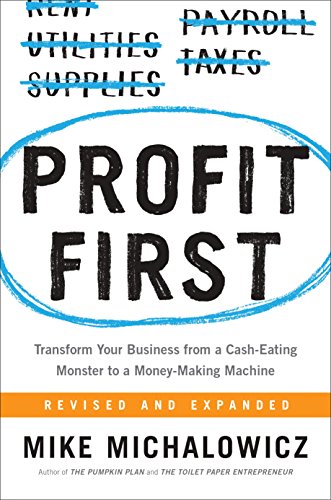
Mike Michalowicz's third book addresses a common mindset when starting a business: "One day, I'll be profitable." Profit First emphasizes that the more you delay profit consideration, you become less and less capable of figuring out how to drive profitability. Profit is the health quotient for business. Ask yourself: Is my business cash eating or money-making?
Best quote: Profitability isn’t an event; it’s a habit.
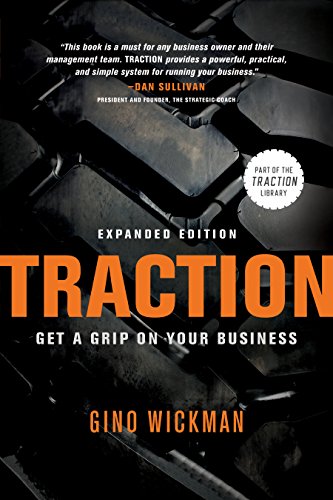
If you're a 'what needs to be done' person, this is the book for you. Traction highlights the need to have systems in place and in paper to get you from mindset to execution. This book brings in a 6-component business model called EOS that summarizes all you need to do to plan for your future, get all things done and make sure nothing falls through the cracks.
Best quote: In summary, successful businesses operate with a crystal clear vision that is shared by everyone. They have the right people in the right seats. They have a pulse on their operations by watching and managing a handful of numbers on a weekly basis. They identify and solve issues promptly in an open and honest environment. They document their processes and ensure that they are followed by everyone. They establish priorities for each employee and ensure that a high level of trust, communication, and accountability exists on each team.
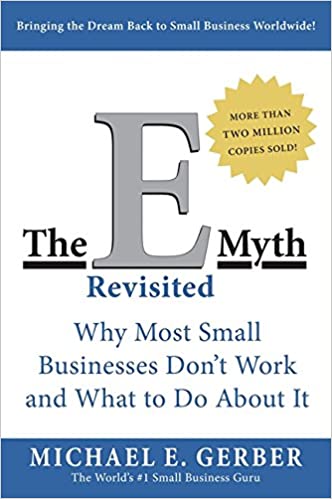
I enjoyed this book so much I listened to the audio book twice in a row and then bought a few hard copies to give to few clients who were having problems, specific problems that this book outlines in glorious detail.
Rather than slave for your business, create your models and methods with yourself in mind. Gerber insists the entrepreneurs should not be enslaved by the business. Build in a way that does not make you feel trapped.
Best quote: If your business depends on you, you don’t own a business—you have a job. And it’s the worst job in the world because you’re working for a lunatic!
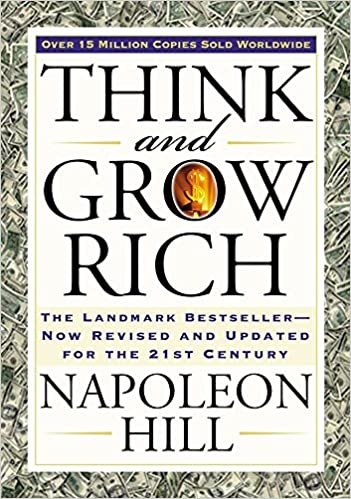
You may have the mindset, the desire, and the skills to achieve your definition of success, but the real difference lie in whether you’re a decision-maker or a procrastinator. Procrastination means giving up on yourself, it means paying too much attention to others opinions about you and the possibilities in your life, it means looking at successful people and asking yourself “What if?” when it will probably be too late to change something. Think and Grow Rich tells you that taking action equals making decisions.
Best quote: Action is the real measure of intelligence.
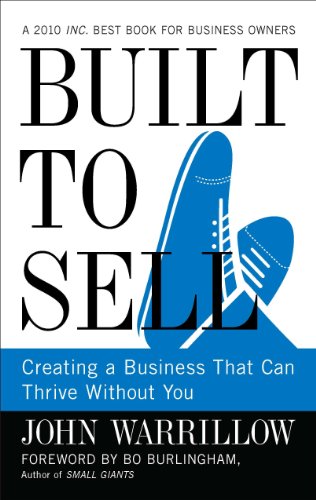
You should always run a company as if it will last forever, and yet you should also strive constantly to maximize its value, building in the qualities that allow it to be sold at any moment for the highest price buyers are paying for businesses like yours. Don’t become synonymous with your company. If buyers aren’t confident that your business can run without you in charge, they won’t make their best offer.
Best quote: Once you’ve isolated what is teachable, what your customers value, and what they need most often, document your process for delivering this type of product or service.
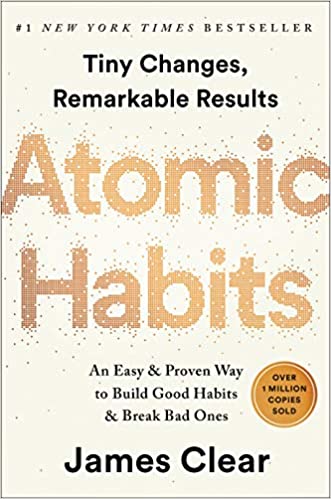
If you want to achieve something, forget setting goals. Set systems. The most effective way to change your habits is to focus not on what you want to achieve, but on who you wish to become. This book outlines the 4 Laws of Behaviour Change that are simple to build better habits.
Best quote: You do not rise to the level of your goals. You fall to the level of your systems.
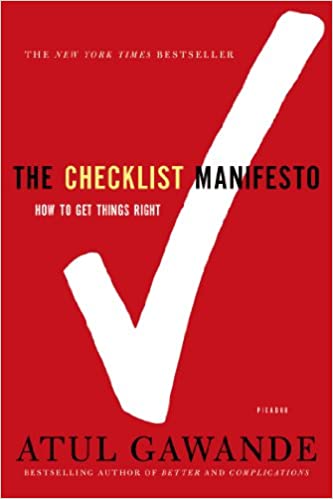
The Checklist Manifesto explores the fundamental importance of the humble checklist in organizing and managing complex processes. Gawande speaks from his own experience, explaining how even the most competent surgeon, operating without a checklist, can miss a critical step. The increasing complexity of modern surgical procedures has made checklists essential, he argues.
Gawande focuses on medicine, but he also delves into the use of checklists in the aviation, construction, and investing industries. In Gawande’s view, the elaborate processes that characterize the modern world demand that we turn to the checklist, a simple tool that’s been around practically forever.
Best quote: Under conditions of complexity, not only are checklists a help, they are required for success.
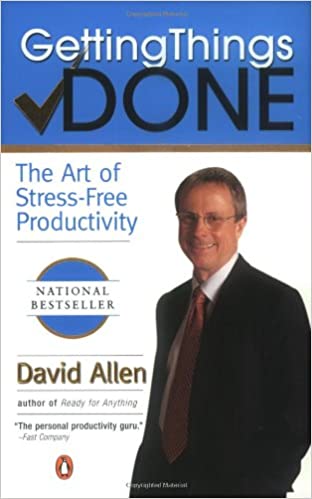
Over decades of coaching and training thousands of people, David Allen discovered that most stress people experience comes from inappropriately managed commitments they make or accept. Essentially, the book differentiates ‘what getting things done’ is vs just ‘thinking of getting things done.’ If you’re looking to get clarity of thought, minimising distraction and time wasters, this is a good book to read.
Best quote: There is usually an inverse relationship between how much something is on your mind and how much it’s getting done.
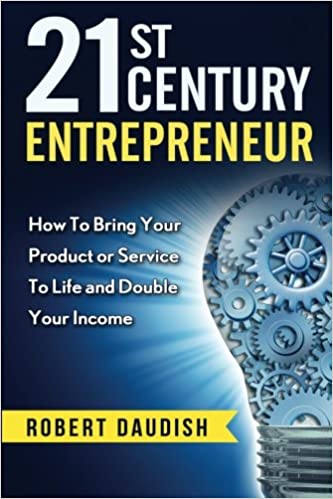
This is the book recommended for those who want to delve in ecommerce for the first time. If you’re tired of your 9 to 5 job or looking to add a second revenue stream, this book will teach you product development and outsourcing, pricing strategy and promotion with lots of valuable online resources.
Best quote: Can’t find a quote or review
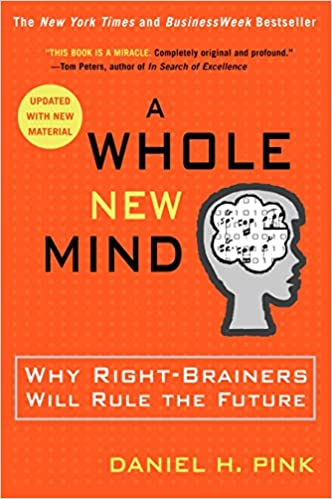
Artistry, empathy, taking the long view, and pursuing the transcendent - these qualities have been scorned in the business world and ignored by schools. But it is now time to use both sides of the brain for the brave new world of the 21st century where workers of all stripes will need many different skills to navigate three or four separate careers.
Pink states that individuals and organizations that want to succeed in the future are going to have to ask themselves three questions:
1. Can someone overseas do it cheaper?
2. Can a computer do it faster?
3. Is what I'm offering in demand in an age of abundance where people are looking to satisfy their aesthetic, emotional, and spiritual demands?
Best quote: Good luck in the age of art and heart.
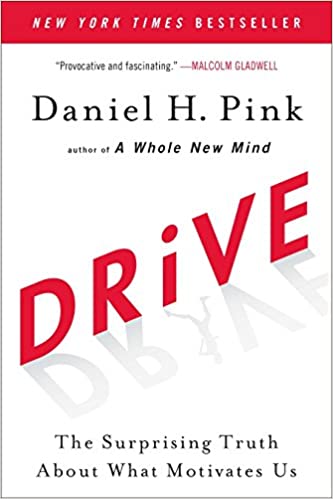
Most people believe that the best way to motivate is with rewards like money—the carrot-and-stick approach. That's a mistake, says Daniel H. Pink.
In this book, Pink exposes the mismatch between what science knows and what business does—and how that affects every aspect of life. He examines the three elements of true motivation—autonomy, mastery, and purpose-and offers smart and surprising techniques for putting these into action in a unique book that will change how we think and transform how we live. While this is generally a management and leadership book, it will help you get more insight about your own motivations and how it affects many more situations outside the workplace.
Best quote: There’s no going back. Pay your son to take out the trash—and you’ve pretty much guaranteed the kid will never do it again for free.
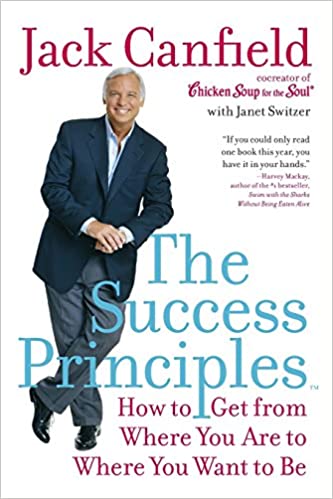
At the core of this book is the Law of Attraction: what you think about, talk about, believe strongly about, and feel intensely about, you will bring about.” Canfield emphasizes that if you want to be successful, you have to take 100% responsibility for everything that you experience in your life. The book is comprehensively divided in 6 parts, tackling success principles initially then leading to actionable points translating into leadership, relationships, motivation, mentorship and so much more.
Best quote: The world doesn’t pay you for what you know; it pays you for what you do. There’s an enduring axiom of success that says, “The universe rewards action.” Yet as simple and as true as this principle is, it’s surprising how many people get bogged down in analyzing, planning, and organizing when what they really need to do is take action.
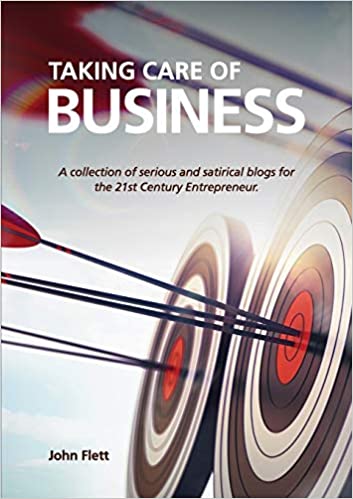
This collection of John's blog posts are a candid, sometimes serious, look at that the challenges business owners face in building a successful and profitable business. A good part of the book deals with micromanagement, poor implementation, bullying and other nuances that make the workplace or business dreadful.
Best quote: There is something basically wrong in the organisation if there are insufficient systems to protect the company without the need of micromanaging.

Everybody Matters is about caring for and treating people in your organization as if they were, (and in a sense they are) your family. He emphasizes that true leaders realize that all of their people are mothers, fathers, sons, daughters, sisters, brothers with lives that matter. They are not merely employees to help an organization succeed, or to use to help the leader succeed. He says that “caring” is the key difference between leading and supervising, whereas most people in leadership positions are merely supervising. You may find this idea mushy but the book also details the practical manner with which he set about to realize it, and the success with which he’s implemented it.
Best quote: We simply asked, “Why can’t business be fun?”

The central theme of the book is literally delivering happiness as a business by living a life of passion and purpose.
Delivering Happiness details the story of Tony Hsieh and his company Zappos, an example of how thinking long term and following your passions first can lead to not just profits, but a happy life for you, your employees, and customers.
The book provides an alternative approach to corporate culture that focuses on the simple concept of making people around you happy, and by doing so, increasing your own happiness.
Best quote: Money alone isn't enough to bring happiness . . . happiness [is] when you're actually truly ok with losing everything you have.
Are you thinking of starting a new business? Coming up with a new business idea is just the start — once you get down to it, there's a lot to think about. Many people find this process complicated and overwhelming and, as a result, some never get their idea off the ground.
If you're willing to spend time and effort building a business from scratch, you need to know what steps to take to reach your goal. Some budding entrepreneurs understand the time and effort involved in creating a successful company but aren't sure of the exact processes needed to launch a business.
That's why we've put together this simple guide for starting a new business. It covers all the main things you need to consider and sort out if you want to start your own company or embark upon a new business venture.

Your exact action plan will depend on the nature of your business and your personal circumstances; there's no one-size-fits-all blueprint for creating a successful business. Having said this, there are certain steps you should take in a particular order to give yourself the best chance of success. Here we take a look at those essential steps in more detail.

Before you start a new business venture, spend some time thinking about why you want to do it. Are you looking for wealth and power, or is there simply a gap in the market that you could fill? Are you motivated by passion for a particular subject or product, or is your business idea driven by ethical or environmental concerns?
Understanding the driving force behind your decision to start a business is key to its success. Why? Because when a business isn't aligned with what you actually want to do and are passionate about, it's far more likely to fail.
Start to think about your new business in more detail. If you're stuck, consider the following questions:
Once you've got a better understanding of why you're setting up your business and what it is, you should then think about the customer, as you ultimately won't have a business unless you have a customer to purchase from you. Work out who your ideal customers will be and why they would choose to buy your products or services. Make sure to focus on the details. These include:
Most importantly, you should think about why you want to sell to this particular market and how you will be able to provide value to them.
This is where you really answer the question ‘what do I need to do to start a new business’ for yourself. Create a comprehensive business plan that addresses:
At this stage, you need to ascertain whether there's substantial demand for your product or service. The main question here is: will it work? You need to find out whether your new business idea is worth pursuing before you invest any more time and money at this point.
To perform market research, work with your target clientele through focus groups and surveys to assess demand. You can also use SEO and public data to further inform your business plan. Study your competitions to find out the opportunities and limitations in your particular field.
One of the main causes for businesses not working out is that there is no market need, so this step is really essential if you're going to succeed.
Whether your business will be entirely online (e.g. an e-commerce store), or a location based in-person service, you'll always need a professional website to build a successful business. According to the Local Search Association report from April 2017, 63% of people will use a company's website as their primary means of engaging with them.
Firstly, having an online presence is essential for growing your customer base. It helps you in presenting as a professional business, and with your digital marketing strategy (more on that later). You should:

Even before you've launched, you need to have a system in place to organise your business accounts. This includes everything from how much you'll need to get your business started, to how you'll keep track of expenditure and income as an active business.
Start by looking at how much you'll need to get your business up and running. Do you have the funds yourself to get started, or do you need to borrow money? Will you still be working another job, or do you have enough to live on until you can turn a profit?
It's always a good idea to overestimate the amount of capital you'll need in the beginning rather than underestimate it, as this is how many startups go bust.
Before you go live with your business, you need to have a system for managing your finances in place. Luckily, there are plenty of accounting systems available that make organising your business finances straightforward and easy to do even if you have little experience. Some accounting systems to consider include:
It's also important to know that you will have certain tax and legal obligations to adhere to when you start a new business. You should make yourself aware of the correct procedures in your area to ensure you don't encounter problems later down the line.

Before you can start selling your service or product, you need to build your brand and market it, so that people are aware of your business before those literal or figurative doors open. Here are some key things you should implement to get some sort of following before you launch.
Intuitive Website
We've already covered the fact that you'll need a website, but make sure that it's mobile-friendly and optimised for location, so people looking for your kind of business can find you. This digital proof of your business confirms its legitimacy, can help people in your local area locate you, and will provide potential customers with everything they need to know.
A simple but recognisable logo is essential for any strong business. It allows people to easily identify your brand, so make sure you're consistent with it. Include the same logo on your website, all email communications, social media pages, and any printed documents.
Social media pages are essential for any business in the digital age. With over 2.7 billion people active on Facebook alone, it's one of the biggest potential advertising sites available. Create professional pages and use them to spread the word about your new venture.
Paid social media advertising can be highly effective when done right. Given that much of online brand discovery takes place in public social feeds, there's no better place to make people aware of your business. For example, Facebook's Pixel tool allows you to create targeted ads that will appear in the news feed of consumers in your demographic.
Offering discounts and coupons through social media when you launch your site is a great way to drive traffic to your site and increase your brand's visibility. Do note that the best social media platform for you to use will depend on your target customers. Therefore, you should make sure you've thoroughly researched your target demographic before pumping advertising funds into the wrong site!
Email marketing campaigns can be the key to unlocking more sales and a greater reach. First, you'll need to build your email marketing contact list, which could be done through a form on your website or social media channels. This type of marketing could also be performed through cold sales emails or newsletters.
Once you start sending out emails, use analytics tools to monitor open rates and click-throughs. Perform A/B testing to see which email formats and content yield the most success, and build on this for future email campaigns.
Whichever way you choose to send out your emails, know that email marketing offers one of the highest returns on investment and is therefore definitely worth focusing on. Remember to make your marketing emails personal. Emails with the customer's name in the subject line have a much higher click-through rate than generic subject lines.
Pay-per-click (PPC) advertising is a popular method of online advertising, and it's easy to do through Google. Similar to social media advertising, your ads appear at the top of Google search results to relevant searchers. When well managed and accurately targeted, PPC campaigns offer an incredibly efficient and reliable means of generating more traffic to your page and thus more potential customers.
Posting high-quality, relevant, and SEO-optimised content through your website, blog, and social media channels keep potential customers engaged with your business and can also work wonders for your visibility. It can:
You need a great online presence to be successful in the digital age, and so while it can be time-consuming, great content should be seen as an investment rather than a cost to your business.
If you're overwhelmed by the sheer amount of work and technical tasks involved in starting a new business and marketing it, know that there are plenty of resources out there to make those tasks more simple.
If graphic design isn't your forte, there are lots of web-based apps and services that can help you design essential marketing features such as your website and your logo. Sites like 99Designs are great for hiring professional graphic designers to work on your branding and website. You'll find lots of professional services available through Fiverr, and often at an affordable price.

With all the essential components in place, your business can go live. The question now isn't so much ‘what do I need to do to start a new business’ as it is ‘how do I sustain my new business'.
That's why you need to focus on growth. The launch of your business and your first sales are only the beginning, and you need to continue to grow to keep making profit. Consider collaborating with other brands in your industry, or partner with charity organisations. Focusing on digital marketing will also help you see steady growth as more people become aware of your business and you establish a greater presence online.
Starting a new business is an exciting but often overwhelming experience, so make sure you're prepared for what lies ahead with our handy guide. Don't forget to make a thorough business plan and assess the market before investing too much time or money.
Above all, you should remember that starting a business is never easy and rarely straightforward. Be prepared for some bumps along the way and always be ready to adapt and change your course of action as things go awry.
You can find a business mentor through your existing network, at industry networking events, via government programs like TAFE Queensland, or on LinkedIn. Just remember that the best mentors usually come from genuine connections you build over time.
But finding the right business mentors takes effort, though the support they provide helps small business owners grow quickly while avoiding costly mistakes that set them back months.
This guide from Brisbane Business Coaching walks you through where to look, what to ask for, and how to approach potential mentors without making things awkward. By the end, you'll know exactly where to start your search.

A business mentor is an experienced professional who shares real-world guidance based on what they've actually built. They help you avoid costly mistakes and grow your business faster than you would by figuring everything out alone.
Unlike consultants you hire for particular projects, business mentors build long-term relationships focused on your overall development and success. They're not there to run your business or tell you exactly what to do. Instead, they ask hard questions that make you think differently about the challenges you're facing.
The best mentors bring expertise from years of making their own mistakes. They provide a perspective you can't get from your team or from reading advice online. And the mentoring relationship works because they've walked the path you're on right now.
While a business mentor builds a long-term relationship focused on your overall growth, a business coach tackles specific short-term business goals. The distinction counts because picking the wrong one wastes your time and money (who wants that?).
The table below breaks down the main differences:
| Business Mentor | Business Coach |
| Develops naturally through genuine relationships | Paid professional you hire for specific outcomes |
| Rarely charges fees for guidance | Structured fees with clear pricing |
| Informal conversations based on your needs | Fixed sessions with defined strategies |
| Long-term partnership spanning years | Short-term engagement (weeks to months) |
Business coaches offer mentoring services with clear deliverables. You pay them to improve your leadership, boost revenue, or fix a particular problem. Meanwhile, mentors guide you through the messy parts that business coaches don't cover.
Bottom Line: Choose a business coach when you need to hit an individual target quickly. But if you want someone in your corner for the long haul who understands your journey, you should go for a mentor.
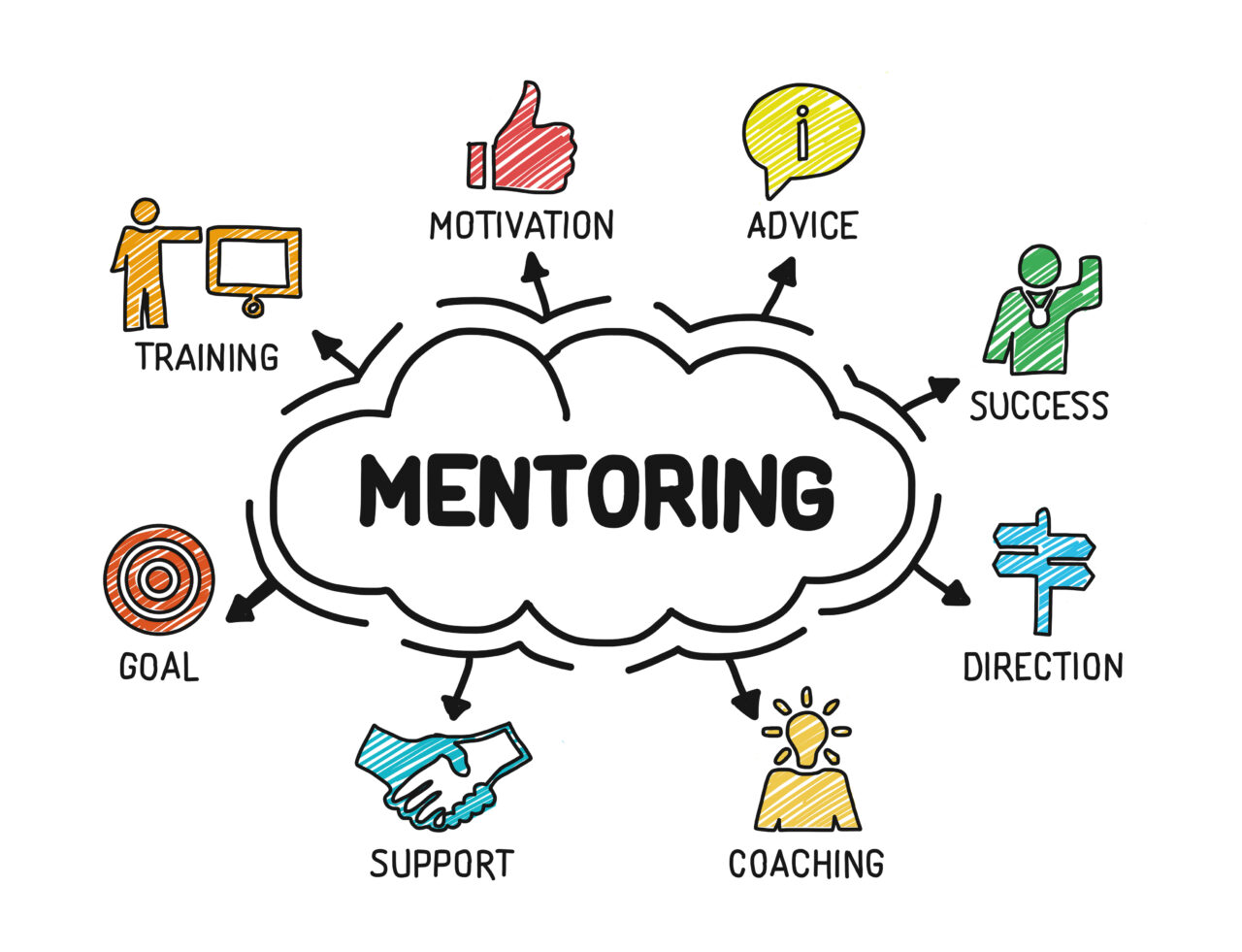
The right mentor can cut years off your learning curve and help you avoid mistakes that cost other entrepreneurs thousands. You'll get three major benefits from this relationship:
Your mentor has already faced the challenges you're dealing with and knows which shortcuts work. They flag issues early, before those problems drain your cash or damage customer relationships.
After years of working with Brisbane business owners, we've seen how much quicker they grow with the right mentor. Learning from someone else's trial and error saves you time you can't get back.
How many times have you set a goal in January only to abandon it by March when daily tasks take over? If you're like most entrepreneurs, this happens more often than you'd like to admit.
But regular catch-ups with a mentor force you to follow through on plans instead of letting them slide down the track. It's harder to make excuses when you've committed to actions with someone who believes you can achieve them.
Stressful times like cashflow crunches and staff conflicts hit every founder, but a mentor normalises the struggles because they've survived similar pressures. When you have someone who understands what you're facing, you build the confidence needed to push through instead of giving up.
That emotional support counts. But finding the right person to provide it requires knowing what to look for in the first place.
Finding the right mentor starts with understanding which qualities will actually move your business forward. The harsh reality is that not every successful business owner will make a great fit for you.
Before choosing the right one, focus on these areas:
Relevant experience means your mentor has built a business at your current stage, not just worked in your industry. Someone who grew a small business to 20 staff understands your problems better than a CEO managing 500 people. If you're running start-ups or established operations, you want someone who's been where you are.
Worth Noting: Industry knowledge helps, but stage-relevant expertise counts more when you're facing growth challenges that feel overwhelming.
Great mentors listen more than they talk, asking questions that help you solve your own problems. They take time to understand your specific situation instead of lecturing about what worked for their own business.
The best mentoring relationships work as conversations where you think through decisions together, instead of just getting handed the answers. Those listening skills separate good mentors from people who just like giving business advice.
You'll apply their guidance more confidently when your mentor's approach to business aligns with yours. Similar views on customer service, staff treatment, and ethics make their advice feel genuine and trustworthy. You don't need to agree on everything, but being on the same page about core values helps the relationship work long term.

Brisbane offers several local resources, like industry associations and government programs that particularly connect small business owners. We'll start with the ones closest to where you're already doing business:
Brisbane's industry associations connect you with founders who've built what you're trying to build. They run events where you can meet potential guides face to face and ask real questions about their journey. Plus, membership often includes mentoring programs that specifically match you with the right person (convenient, right?).
Your local Chamber of Commerce works the same way. They host regular networking events where established founders show up ready to share what they've learned. The barrier to entry is low, and the people you meet actually understand the local market.
Another excellent local option is Brisbane's dedicated program that runs monthly sessions for small business owners. Each month, BBH offers free one-on-one sessions with top Brisbane business experts. These sessions provide personalised support and practical strategies for your particular business challenges and goals.
Reminder: Book your spot early as these complimentary sessions fill up quickly each month.
If you'd rather work with someone who knows the local market inside out, our team at Brisbane Business Coaching specialises in helping entrepreneurs cut through the noise and focus on what actually drives results.
Your existing network of former colleagues, managers, and alumni connections often includes potential mentors you haven't considered.
Former managers, colleagues, and professors often make excellent guides because they already know your strengths and how you work. They've seen you handle pressure and solve problems, which means the conversation starts from a place of trust instead of you having to prove yourself all over again.
Outside of work, your personal network holds potential too. Ask friends and family if they know successful entrepreneurs willing to share advice over coffee. For example, the person running the cafe you visit might have scaled from one location to three. Or your neighbour could have sold a business last year. (Most people don't broadcast their success, so you won't know until you talk to them)
If you went to university, those alumni networks work the same way. Graduates who've built profitable businesses often mentor younger alumni because someone did the same for them. Just reach out through LinkedIn or your alumni portal, and you'll be surprised how many are happy to have a conversation.
But if your network feels tapped out, networking events open up completely different circles of people.

Networking events give you face-to-face access to veteran founders who are already open to sharing advice. These events work because everyone shows up expecting to exchange ideas and make connections.
When you find someone interesting, here's what to do:
The connections you make at these events can become long-term relationships if you put in the effort after the handshake.
You can find a business mentor through Queensland's free government-backed programs that match you with veteran advisors. These programs cost nothing and connect you with people who've actually built businesses.
TAFE's mentoring program matches you with experienced guides across finance, marketing, and operations. These aren't generic consultants. Instead, they're people who've built and run small businesses themselves.
The program includes one-on-one sessions and workshops tailored to your business development needs, covering everything from marketing strategies to financial management.
Sometimes you need help with cash flow, staff management, or business planning, but don't know where to turn. In these situations, the Small Business Solutions program matches you with someone who's dealt with those exact problems through an online application that asks about your challenges and industry.
If you want free mentoring from seasoned volunteers matched to your industry, the M4G program is your answer. It connects you with volunteer business mentors who have extensive experience in your industry.
All you need to do is register your interest online, and they'll match you based on your business goals and challenges. The program also includes free panel webinars where you can learn from multiple mentors simultaneously, which gives you different perspectives on the same problem.
These government programs give you access to quality advice without the cost. For more intensive coaching with proven frameworks, Brisbane Business Coaching provides structured support beyond free mentoring programs.
LinkedIn lets you research and connect with Brisbane business owners who've already achieved what you're working toward.
Start by being specific. Search for people in Brisbane who've achieved what you're aiming for. Once you've got a list, refine it. Use filters to narrow by location and industry, so you're not scrolling through thousands of random profiles. Look at:
That online research tells you whether their experience actually matches what you need (which beats discovering the mismatch three months in).
We've seen most people send a connection request with a generic message or immediately ask for help. Then they wonder why nobody replies.
Instead, try this. Follow potential guides for a few weeks first. After that, engage with their posts and add thoughtful comments showing you actually read what they wrote. Finally, when you do reach out, reference something specific they shared that helped you think differently.
That approach gets you actual responses instead of silence because you've shown genuine interest in learning, not just collecting contacts. Building that connection takes time, but it beats cold messaging strangers.

Now that you've identified potential mentors, here's how to approach them without making it awkward.
At the end of the day, you're asking someone busy to invest in your success. The more you can show that you'll make that investment worthwhile by taking action on their advice, the more likely they'll say yes.
Finding a business mentor takes effort, but the payoff is worth it. The right guide helps you unlock your business potential better than going it alone.
Start today with your network, check out local programs like TAFE Queensland and BBH, or connect with people on LinkedIn. Pick one approach from this article and take action this week.
Brisbane Business Coaching works with business owners across Queensland who want clarity, accountability, and real growth. If you need support building your business with proven strategies, get in touch with us.
People often ask similar questions about finding and working with business mentors. We've gathered the most common ones here.
Business mentorship costs vary widely across different sectors. For example, free options like TAFE Queensland and M4G provide invaluable support for new entrepreneurs, while paid coaches charge $150 to $500 per hour, depending on their expertise. That's why exploring free programs first helps entrepreneurs just starting out make informed decisions about whether paid coaching makes sense down the track.
Before your first session, create a clear list of your business goals and the specific challenges you want help with. Your preparation should include a business plan outline, financial records, and questions about how to expand your operations. Many mentors also provide tailored support through templates and frameworks during your sessions, but coming prepared shows you're serious about moving forward.
Absolutely. Mentorship programs across Brisbane specifically support women starting their business journey in various sectors. TAFE Queensland even offers training and education sessions that help female entrepreneurs succeed. The M4G program also connects women with mentors who understand the unique challenges they face when trying to create and grow their ventures.
Besides, Brisbane Business Coaching offers personalised coaching for women building businesses who want strategic guidance beyond what free programs provide.
Focus on asking for practical tips that apply to your specific situation rather than generic advice. Between sessions, take action on what you discussed and bring results to your next meeting. This approach helps you build innovation into your business life while showing your mentor you value their time. And honestly, mentors invest more energy when they see you applying their guidance.
No. Mentors work with people at every stage, from complete beginners to established business owners looking to expand. What counts most is being honest about where you are and what you need to learn. We've even seen many successful entrepreneurs find their mentors before they had significant experience, which helped them avoid costly mistakes early on.
Copyright 2020-2026 © Matter Solutions Pty Ltd