Are you thinking of starting a new business? Coming up with a new business idea is just the start — once you get down to it, there's a lot to think about. Many people find this process complicated and overwhelming and, as a result, some never get their idea off the ground.
If you're willing to spend time and effort building a business from scratch, you need to know what steps to take to reach your goal. Some budding entrepreneurs understand the time and effort involved in creating a successful company but aren't sure of the exact processes needed to launch a business.
That's why we've put together this simple guide for starting a new business. It covers all the main things you need to consider and sort out if you want to start your own company or embark upon a new business venture.

Your exact action plan will depend on the nature of your business and your personal circumstances; there's no one-size-fits-all blueprint for creating a successful business. Having said this, there are certain steps you should take in a particular order to give yourself the best chance of success. Here we take a look at those essential steps in more detail.

Before you start a new business venture, spend some time thinking about why you want to do it. Are you looking for wealth and power, or is there simply a gap in the market that you could fill? Are you motivated by passion for a particular subject or product, or is your business idea driven by ethical or environmental concerns?
Understanding the driving force behind your decision to start a business is key to its success. Why? Because when a business isn't aligned with what you actually want to do and are passionate about, it's far more likely to fail.
Start to think about your new business in more detail. If you're stuck, consider the following questions:
Once you've got a better understanding of why you're setting up your business and what it is, you should then think about the customer, as you ultimately won't have a business unless you have a customer to purchase from you. Work out who your ideal customers will be and why they would choose to buy your products or services. Make sure to focus on the details. These include:
Most importantly, you should think about why you want to sell to this particular market and how you will be able to provide value to them.
This is where you really answer the question ‘what do I need to do to start a new business’ for yourself. Create a comprehensive business plan that addresses:
At this stage, you need to ascertain whether there's substantial demand for your product or service. The main question here is: will it work? You need to find out whether your new business idea is worth pursuing before you invest any more time and money at this point.
To perform market research, work with your target clientele through focus groups and surveys to assess demand. You can also use SEO and public data to further inform your business plan. Study your competitions to find out the opportunities and limitations in your particular field.
One of the main causes for businesses not working out is that there is no market need, so this step is really essential if you're going to succeed.
Whether your business will be entirely online (e.g. an e-commerce store), or a location based in-person service, you'll always need a professional website to build a successful business. According to the Local Search Association report from April 2017, 63% of people will use a company's website as their primary means of engaging with them.
Firstly, having an online presence is essential for growing your customer base. It helps you in presenting as a professional business, and with your digital marketing strategy (more on that later). You should:

Even before you've launched, you need to have a system in place to organise your business accounts. This includes everything from how much you'll need to get your business started, to how you'll keep track of expenditure and income as an active business.
Start by looking at how much you'll need to get your business up and running. Do you have the funds yourself to get started, or do you need to borrow money? Will you still be working another job, or do you have enough to live on until you can turn a profit?
It's always a good idea to overestimate the amount of capital you'll need in the beginning rather than underestimate it, as this is how many startups go bust.
Before you go live with your business, you need to have a system for managing your finances in place. Luckily, there are plenty of accounting systems available that make organising your business finances straightforward and easy to do even if you have little experience. Some accounting systems to consider include:
It's also important to know that you will have certain tax and legal obligations to adhere to when you start a new business. You should make yourself aware of the correct procedures in your area to ensure you don't encounter problems later down the line.

Before you can start selling your service or product, you need to build your brand and market it, so that people are aware of your business before those literal or figurative doors open. Here are some key things you should implement to get some sort of following before you launch.
Intuitive Website
We've already covered the fact that you'll need a website, but make sure that it's mobile-friendly and optimised for location, so people looking for your kind of business can find you. This digital proof of your business confirms its legitimacy, can help people in your local area locate you, and will provide potential customers with everything they need to know.
A simple but recognisable logo is essential for any strong business. It allows people to easily identify your brand, so make sure you're consistent with it. Include the same logo on your website, all email communications, social media pages, and any printed documents.
Social media pages are essential for any business in the digital age. With over 2.7 billion people active on Facebook alone, it's one of the biggest potential advertising sites available. Create professional pages and use them to spread the word about your new venture.
Paid social media advertising can be highly effective when done right. Given that much of online brand discovery takes place in public social feeds, there's no better place to make people aware of your business. For example, Facebook's Pixel tool allows you to create targeted ads that will appear in the news feed of consumers in your demographic.
Offering discounts and coupons through social media when you launch your site is a great way to drive traffic to your site and increase your brand's visibility. Do note that the best social media platform for you to use will depend on your target customers. Therefore, you should make sure you've thoroughly researched your target demographic before pumping advertising funds into the wrong site!
Email marketing campaigns can be the key to unlocking more sales and a greater reach. First, you'll need to build your email marketing contact list, which could be done through a form on your website or social media channels. This type of marketing could also be performed through cold sales emails or newsletters.
Once you start sending out emails, use analytics tools to monitor open rates and click-throughs. Perform A/B testing to see which email formats and content yield the most success, and build on this for future email campaigns.
Whichever way you choose to send out your emails, know that email marketing offers one of the highest returns on investment and is therefore definitely worth focusing on. Remember to make your marketing emails personal. Emails with the customer's name in the subject line have a much higher click-through rate than generic subject lines.
Pay-per-click (PPC) advertising is a popular method of online advertising, and it's easy to do through Google. Similar to social media advertising, your ads appear at the top of Google search results to relevant searchers. When well managed and accurately targeted, PPC campaigns offer an incredibly efficient and reliable means of generating more traffic to your page and thus more potential customers.
Posting high-quality, relevant, and SEO-optimised content through your website, blog, and social media channels keep potential customers engaged with your business and can also work wonders for your visibility. It can:
You need a great online presence to be successful in the digital age, and so while it can be time-consuming, great content should be seen as an investment rather than a cost to your business.
If you're overwhelmed by the sheer amount of work and technical tasks involved in starting a new business and marketing it, know that there are plenty of resources out there to make those tasks more simple.
If graphic design isn't your forte, there are lots of web-based apps and services that can help you design essential marketing features such as your website and your logo. Sites like 99Designs are great for hiring professional graphic designers to work on your branding and website. You'll find lots of professional services available through Fiverr, and often at an affordable price.

With all the essential components in place, your business can go live. The question now isn't so much ‘what do I need to do to start a new business’ as it is ‘how do I sustain my new business'.
That's why you need to focus on growth. The launch of your business and your first sales are only the beginning, and you need to continue to grow to keep making profit. Consider collaborating with other brands in your industry, or partner with charity organisations. Focusing on digital marketing will also help you see steady growth as more people become aware of your business and you establish a greater presence online.
Starting a new business is an exciting but often overwhelming experience, so make sure you're prepared for what lies ahead with our handy guide. Don't forget to make a thorough business plan and assess the market before investing too much time or money.
Above all, you should remember that starting a business is never easy and rarely straightforward. Be prepared for some bumps along the way and always be ready to adapt and change your course of action as things go awry.
Looking for a way to improve, grow, and empower your business? It would be best if you started with staff development.
Companies are always asking how they can improve leadership and be more productive, but they forget the obvious. As much as company leaders grow and shape the business, it is the staff at every level who keep the business successful. Companies have to remember that committed, dedicated employees are what can make or break a business.
Staff development isn't a top-down approach. It means showing that every employee has the potential to innovate and drive a company's mission. Investing in staff development is the best way to invest in your company and ensure its future success.

Staff development doesn't mean you need to keep hiring new employees until you find a perfect fit. Instead, it means helping employees become the ideal fit.
More specifically, staff development means improving your employees to innovate your business. Employees learn new skills that they can bring to your company.
This process involves various initiatives that will improve the current company talents, helping current employees to grow in their skills. Staff development can take many forms, such as
• Coaching/ Mentoring
• Conferences
• Workshops
• Career-planning
• Certifications
• And more
There are many available staff development tools online and for in-person sessions. You can find various staff development webinars online. Or, you can create plans in-house. For example, rather than senior employees working separately from others, they can share their expertise through mentorship programs to make teams stronger.

Staff development is an idea you'll hear about a lot, but not implemented to a great enough effect to make an impact. The reason for this may be that companies believe it's easier to hire outside talent with more qualifications rather than work to improve their current employees. However, this is a considerable and detrimental misunderstanding.
Better employees make for a better company. It is simple but straightforward logic. Continually trying to find and hire the right employees is a waste of company resources. Evidence shows that retaining and developing current staff has the most significant benefits for your company in the long term.
Hiring a new employee not only costs money, but it costs the company's time. No matter the new hire's qualifications, they have to learn the ins and outs of your business. Everything from the day-to-day operations to intricate systems may be new to even the most experienced.
Training a fresh employee will also take time away from your current employees who now need to devote themselves to getting a new hire up to speed. This time equates to money lost, as you end up paying managers to cover basics covered with a new hire. Moreover, the time it takes to get someone up to scratch and become productive also equates to even more loss.
Staff development circumvents all these losses. Since you are honing the skills and knowledge of someone already familiar with company operations, the training time is much shorter.
When it pays to invest in current talent, what do you have to lose? The benefits of staff development show on the bottom line in more ways than one.
Humans are not machines. So it may not be surprising to learn that feelings towards your job change how effective and productive you are at said job. This Gallup poll demonstrates that less than a quarter of employees remain actively engaged in their career. Indeed, it shows that over 15% are actively disengaged from their job, i.e. not engaged at all in their job.
What does that mean for business owners? Gallup estimates that this disengagement costs $300 billion in net losses. It may be discouraging, but instead, let's focus on the positive.
Studies also show that engaged employees lead to greater profit. That means that with positive changes to your work culture and staff development, a rise in profits may just be over the horizon!
Staff development helps to keep employees engaged, and experts say that engaging employees can come from simple initiatives. Showing empathy, regular check-ins, and demonstrating that leadership hears staff concerns can lead to happier employees and reduce burnout.
Just as it takes time for new hires to learn a company's practises, it takes time to understand the strengths and weaknesses of a company. Often, it is the veteran staff who best understand the pitfalls of a business and have ideas of how to innovate it.
One large example is a problem with communications. Surveys report that communication within a business is often lacking. Without strong, clear communication to employees, confusion is inevitable. It is logical why these surveys estimate that lacklustre communications lead to profit loss.
Seasoned employees of your company know what is necessary to communicate better. Communication is key to profitability, and this is where employees who understand your business and company culture can be lucrative.
And that's only one example of how they can help!
Engaged employees also can identify a variety of problems and approach these issues with a completely different perspective than outside hires. Some of the best solutions may be homegrown.
Staff development means that skilled employees can move up the ladder rather than feel forced out to seek new opportunities. And in the thriving work environment, employees may have worn different hats throughout their time at the company.
With extensive experience in a variety of roles at the same place, employees are likely to be more flexible. Why is flexibility desirable?
Change is inevitable. A company that remains stagnant will never grow. As your company changes and expands, roles and responsibilities may shift around.
Besides company culture issues, it's expensive to have a higher turnover with every change in your industry. However, employees that have grown and matured with you over the years will be more likely to succeed when changes come.
Some changes are sudden and unexpected. When the time comes, you want a team that you can trust to adapt and do the job well.
Any good business-minded person can connect profits with customer loyalty. To go further, the Harvard Business Review connects customer loyalty with employee loyalty. Training and experience lead to employees who can serve customers better.
Additionally, when employees have opportunities to learn and grow, their morale is higher, and their dissatisfaction with their job is lower. These opportunities to develop and earn promotions and rewards make employees appreciate their company. It forges a sense of loyalty between employees, managers, and business leaders.
Loyalty gives employees a desire to see their company succeed. This drive for success can also boost general employee performance.
When employees receive effective staff development, they hone their expertise and grow. In addition to company loyalty, continued growth may also lead to more effective on-the-job training between employees.
With plenty of opportunities to go around and a company's success viewed as a shared success, it is in employees' best interest to help each other. Learning from colleagues can also be the most beneficial form of training. Better training leads to effective, engaged employees. That means more profit for your business.
By now, it may be clear that using staff development tools will make for happier employees and a more productive, profitable team.
Even more good news: it will also attract talented candidates.
In the age of social media, the internet knows how you treat your employees. And of course, there's the traditional word of mouth.
Perhaps your employees don't have serious grievances. However, a general air of discontentment speaks volumes to potential candidates. Without a work culture that promotes professional growth and upward mobility, that “stuck” feeling is inevitable for your staff. And the discontentment only spreads.
Companies that actively strive to promote staff development and opportunities for staff are desirable. They (rightfully so), earn a reputation as a positive place to work. When word gets out, highly qualified and talented candidates will be eager to devote their skills to seeing your business succeed.
Talented people want opportunities to grow and learn. They will want to take advantage of the wealth of possibilities your company has to offer.
Furthermore, this reputation as a great place to work won't attract just potential candidates. Potential customers will also hear about your employee practises.
Customers are now skewing towards brands they believe to be ethical. Ethical practises can include the treatment and happiness of employees. An excellent reputation will help you attract new customers along with new hires.

Investing in staff development is the best investment for your business. So what's the first step?Hiring a business coach is a great way to get a new perspective on what your company needs to improve and grow. A business coach can give you insight into what your company's strengths and weaknesses are so that you know how to train and help your employees grow. If you are looking for a business coach, contact us now!
Entrepreneurs, business owners and professionals alike, listen up! If you want to see your brand or company grow, then business coaching services are for you. These services usually work to a fixed schedule and provide personalised advice to every business. The goal is to accelerate the careers of their clients and increase business growth.
Many testimonials from entrepreneurs who have used business coaches say that it was the best career investment they've ever made. So, whether you're a seasoned business professional in need of that extra oomph to earn a promotion, or you're a young entrepreneur looking to step up your game, finding the right business coach can be the difference between mediocre levels of success and stratospheric success.
Here are 15 of the best coaching services for 2023 that will get you on the road to achieving your professional goals:
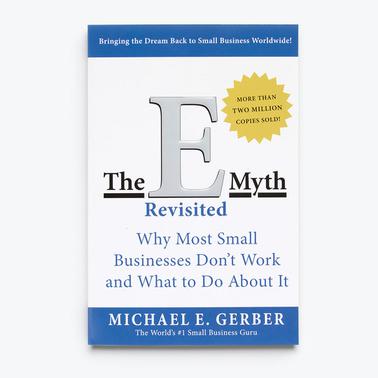
Let's start with a company that really helps build small business owners and young entrepreneurs. EMyth has been in the business coaching game since 1977. Their company truly defines entrepreneurship, with the coaching program acting as a comprehensive system for building businesses that focus on freedom for the owner, alongside producing consistent and great results.
The EMyth program is unique, as it pairs personal mentorship with proven systems that have been successful in growing businesses but also successful in growing you individually as a leader and company owner.

Melinda Emerson is one of the top coaching services to use if you are a female entrepreneur, or again, a small business owner.
Emerson has coached some of the most successful brands around, such as Sam's Club, Staples and American Express. Her experience and success is vast, with her priorities today focusing on helping women business owners with marketing execution and engagement strategies.
She's also very SMB-focused and offers services such as global SMB insights, too.

Here's another great business coach for all you female entrepreneurs out there.
Erin May Henry has built her career as a personal branding strategist. She's passionate about helping women achieve their business goals, alongside feeling empowered and encouraging people from all walks of life to build successful businesses.
You can sign up for her one-on-one coaching and mentoring sessions, which will help you build online influence and clients.
ActionCOACH is one of the best coaching services for small business owners and entrepreneurs. When you enter the site, it will ask you a few questions about your business and you as an individual, to establish what type of company you are and pair you with your perfect coach.
Once you've been paired with the right coach, you'll have the chance to work through their systematic coaching methods designed to help entrepreneurs overcome the challenges that come with running a business.
What's great about ActionCOACH is that you can try before you buy. They offer you a complimentary coaching session to see if the company is for you, and to determine if it's a good fit.
What's great about Strategic Coach is that there are a variety of programs to choose from. Perfect for small business owners and entrepreneurs, you can decide between the 10x Ambition Program™ or their Strategic Coach® Signature Program, with founder Dan Sullivan, who started the company back in 1988.
Both programs offer you the opportunity to strategize about the most important things for your business, with the end result designed to leave you with the next steps and a clear action plan about how you can grow your company sustainably and quickly.

This is one of the top coaching services for sales leaders, executives and managers. The Leadership & Sales Academy is perfect for people who are seeking coaching for sales management, management consulting, and leadership coaching.
Once you enrol in one of the company's programs, you will be appointed to a qualified coach who will help you build your perfect team. They will provide you with the tools to make your team more productive, with the end result helping your employees exceed their goals.

Mindshop is another great coaching service for entrepreneurs and managers. Signing up will give you access to their pre-built tools, coaching solutions, and workshops.
Working with Mindshop, you will be able to stay up to date with business trends, receive cost-effective online coaching, and learn how to offer it to your clients. This service will challenge you to be your best, by a community of experienced advisors.

Calling all you stay at home mothers, businesswomen and female entrepreneurs! Mom Biz Coach is run by Lara Galloway, and she specialises in helping women entrepreneurs, (especially mothers) achieve successes in their business ventures.
She works with talented women who need a little extra guidance when it comes to finding success and happiness in the world of business and teaches them how to successfully manage both home life and work life.
She offers one to one mentorship and encourages women to be able to take on business responsibility, make powerful decisions, define values and priorities and take that into both business and life with the utmost confidence.

Tommi Wolfe is the name behind The Startup Expert, whose programs are great for small business owners and entrepreneurs. The Startup Expert offers training and advice on business revenue and teaches you how to market your service/product.
The programs also set you in good stead when it comes to helping you find new clients quickly. New joiners can choose from their existing courses or attend live events, where you can get ahead of the game and learn how to kickstart a successful business.

This is one of the best coaching services if you are interested in life coaching.
Melissa Dawn is the name behind the service. She is also an author, speaker, and life coach, therefore has first-hand experience! Her services range from personal development online coaching, to the most popular online coaching program “CEO of Your Life and Business”.
Her courses are not only flexible to help you work around your own schedules, but they are also extremely popular. They can help you determine your life purpose, core values, how to create a big picture vision and enhance your overall being.
If you're an entrepreneur or small business owner, opting to undertake coaching from Prestige will leave you in good stead to enhance your own ventures. Robert Viney has over 34 years worth of experience in coaching, alongside running and owning several other successful businesses, so knows firsthand what it takes to be an entrepreneur.
Having been successful in his own ventures, Viney has shifted his energies, knowledge and experiences to share them with other business owners who may need a little guidance. His mentoring services and comprehensive business coaching are available to all who want to enhance their careers.

Marketers and small business owners, head over to Jay Abraham for all your business coaching needs.
He blends his situational coaching with a curriculum-based approach, however, he urges newcomers to learn his curriculum first before you begin. Once it has been learned, Abraham will arrange a one to one chat with you, so he can understand your unique business, and employ the necessary tools to help with your business.
You are able to receive advice and helpful frameworks, all of which work toward a successful outcome and company!
Building Champions is a very versatile company, as they offer services to small business owners, managers, and teams.
The company helps those seeking personal business coaching, appointing you to your own trainer, inviting you to inspirational events, and coordinating team workshops and assessments, which allow you to improve how your own personal team functions, performs and communicates.

If you're part of a family business, then the coaching offered at Barry Moltz will be perfect for you. His specialties lie in identifying issues and root causes of businesses and working to fix them by making recommendations that can be implemented immediately. Also perfect for SMB owners, Moltz has been helping corporations and SMB's since leaving IMB in the 1990s.

For our final coaching service, here's Noomii.
Suitable for absolutely anyone, no matter what stage of your career you are in, Noomii is one of the top coaching services out there. Their directory is very vast, with many life, career, business and executive coaches to choose from.
Also, the company has resources in 50 other countries, so you don't just have to be in the US to access their content!
So, whatever the reason you're searching for a business coaching service, we hope to have given you a head start on some of the best out there. Take your career to the next level and book one of the best coaching services today!
Does it always seem like you never have enough hours in the day? Even if you have a generous budget and a diligent team at your disposal, time is something your business could always use more of.
So, how do you take back some of these precious hours? Rather than taking work off of your plate, one of the simplest solutions is to develop better time management skills!
Fine-tuning these skills can be difficult on your own. You may be unsure of where to start. Or, you may be stuck in a years-long pattern of your old ways.
Luckily, our team at Brisbane Business Coaching can help you break free from unproductiveness! We have years of experience in helping clients better manage their time. Our experts can help you regardless of your business's size or long-term goals. Read on to learn more about how we help with time management and the benefits you will get from our coaching services.

Time is a finite resource. As undesirable as this fact is, it's unavoidable. However, how we use that time can make a big difference. According to Smart Company, nearly 70% of employees are distracted at work. In this same survey, more than half of the participants blamed under-performance on workplace distractions. Some of these workplace distractions included interruptions from colleagues, customers, and suppliers. Other key distractions are self-doubt, a negative mindset, technology fatigue, and unnecessary time-fillers.
Poor time management can also stem from the following issues:
Every individual and company will have poor time management skills for different reasons. When you recruit our time management coaching services, we will help you pinpoint the cause of yours. From there, we can set up a detailed plan to help you use your working hours more productively.

If you don't manage your time effectively, you may experience the following consequences:
When you manage your time poorly, you will not have enough time to complete all of your tasks. As a result, you will turn in work that is not completed to your highest standard.
People with poor time management skills don't just turn in low-quality work. They often miss deadlines and underestimate how long tasks will take.
Workers who do not manage their time properly will be less productive on any given day than those who do. They often jump from task to task and linger on unimportant distractions. Their inability to focus results in lower productivity and an inhibited workflow.
Do you often overextend yourself and take on too many projects that you don't have the time to complete properly? This is a common result of poor time management.
Turning in sub-par work late can damage your professional reputation. Your clients, co-workers, and superiors may find it hard to trust you. This can make it difficult to advance in your career.
If you don't use your time adequately at work, you may have to play catch-up on your days off. This can result in a poor work-life balance. You may develop feelings of stress and inadequacy, which can be hard to shake without making some major adjustments.
Do you want to take control of your work-life balance and avoid these other consequences of poor time management? Get in touch with us today, and we will help you regain control of your time.

When advising clients on time management, we draw inspiration from novels by well-respected time management experts.
One of our favourites is The 4-Hour Workweek: Escape 9–5, Live Anywhere, and Join the New Rich by Tim Ferriss. In this book, Ferriss covers many tips for success on how to have a 4 hour work week. Some concepts he discusses include:
Some of our other favourite self-help books about time management are:
Do the ideas presented in these self-help books intimidate you? There's no need to stress! Our team at Brisbane Business Coaching can help you implement them into your workplace. Get in touch with us today to hire our coaching services!

There are millions of project management tools out there. When we offer help with time management to our clients, some of our go-to tools include:
Trello is a list-making application that's free to use. You can organise all of your company's projects on easy-to-view boards. Trello lets you keep track of everything from the smaller details to the bigger picture. You can see who is assigned to certain tasks and never miss a deadline, as the tasks show alerts when they are close to their due dates.
ClickUp is an all-in-one project management system. From this platform, you can create to-do lists, documents, spreadsheets, events, and reminders in one convenient place. You can also send emails, as ClickUp is compatible with Gmail and Microsoft Outlook.
Notion is another all-in-one workspace. Here, you can plan out and write ideas and collaborate with other team members. You can sync this platform across various devices and communicate with collaborators in real-time. It works on mobile devices and online browsers.
Do you want a way to see who's working on what tasks at any given time? Avaza is the solution for you! It gives you a bird's eye overview of everything that's on your company's plate. This platform also lets you easily distribute resources to each project you're working on and make adjustments as needed. In the long run, Avaza will help you make better scheduling decisions.
As a nice bonus, Avaza is equipped with flexible budgeting and billing options. You won't have to switch over to another platform to charge your clients.
Evernote can be your go-to place to record and store all of your creative ideas. Use it to take notes, make lists, read content online, and revisit items you've written down before. It's a great way to stay on schedule and keep track of everything you've recorded. You can also add keyword tags on notes to find them more easily in the future.
EventCollab is ideal for logistics tracking and event project management. It holds your calendars, contacts, tasks, and schedules. All of your data is available in the cloud. You can access it at anytime from any location. Plus, you can restrict permissions, assign roles, and encrypt your data to keep it secure.

The best project management tools won't be the same for every company. To find the ones that will work best for your business, you will need to evaluate your needs and goals.
Not sure where to start? Get in touch with the staff at Brisbane Business Coaching! We will help you discover the best project management tools for your business. This way, you can take back your workdays and make the most of the time you have.

Whether you need help with picking out the best project management tools or better organising your days, you don't have to do it alone. Our team at Brisbane Business Coaching is here to help!
Recruit our time management coaching services to get the advice your business needs to thrive! We offer personalised guidance so your company can succeed. Get in touch today to get started!
Is your business struggling to break even? Do you only make a profit every once in a while? Are you desperately trying to figure out how to make more money? If your business is only making minimal profits or no profits at all, the profit first method can help. This procedure will completely change the way you think about making money at your business and will help to turn it into a cash cow in no time!

Profit First is a way of looking at the traditional profit statement in a new light. Generally, when most people run a business, they take their sales, subtract their expenses, and are left with a profit. The Profit First ideology encourages a modification. With this philosophy, you would take your sales, subtract the profit, and then you are left with expenses.
When businesses take out their profit first, it forces them to be more resourceful and innovative to earn enough to cover expenses. With this model, profit is not an afterthought that you hope for; instead, it is a priority that you plan for. With Profit First you will take out your profit before you do anything else, adjust your operations to reflect your true operating expenses, and start building up cash reserves and eliminating your business financial stress.

This model was devised by Mike Michalowicz. He spelled out the entire process in a book called Profit First: Transform Your Business from a Cash-Eating Monster to a Money-Making Machine. Since its publication, over 175,000 companies have implemented the system.

Profit First effectively uses the concept of “out of sight, out of mind”. If you take out profit immediately and put it off to the side where you cannot “see it”, then you will be less tempted to spend it. This system is designed to give you clarity about how you spend money on your business and discover how you can streamline processes so that you can increase your profits as much as possible.
It truly is a simple system that does not require an experienced accountant to implement. You can get started at any time and do not have to worry about doing anything retroactively.

Let's discuss a quick overview of how to set up a profit first system and implement profit mechanics.
Before you can start using this system, you will need to set up a few different bank accounts.
Income — This account is where all of your income will be deposited initially before moving into one of the other accounts.
Profit — This account will house the percentage of profit that you are setting aside.
Owner's Compensation — Do not forget to pay yourself! This oversight is one of the biggest pitfalls of small businesses.
Tax — Creating an account specifically to pay business taxes will ensure that you always have enough.
Operating Expenses — Any money left over will go into this bucket to cover your operating expenses.
In addition to these five main accounts you should also set up two more accounts at a separate bank where you can keep money out of sight and not be tempted to dip into it. The first is your Profit Hold account that will house your profit allocations until you distribute them at the end of each quarter. The second is your Tax Hold account where you keep money that will go toward taxes until it is time to pay them.
First you will need to understand how you are currently allocating your money. Once you know what your current percentages are, compare them to those of a healthy business that is similar to yours. Make sure that your comparison business operates at a comparable revenue level.
You need to make sure that the changes you make are gradual. If you currently only have a 5% profit then you cannot suddenly declare that you will have 60% profit. Setting realistic goals for your company in one of the most important steps on the journey toward achieving them.
Twice a month, allocate the funds from your umbrella account, the income account, into your five main accounts. While you may be wondering if it is okay to allocate funds daily or as needed, the recommendation is twice a month so that you establish a healthy rhythm that is not overwhelming. This schedule will also allow you to keep excellent track of your healthcare trends.
You should start by using your current percentages and then slowly up your profit percentage until it matches that of your comparison company. Make sure to move the profit and tax amounts into their hold accounts so that you will leave that money alone.
At the end of the quarter, half of the amount in the profit hold account can go to the owner as a reward while the second half should go toward building capital reserves for the company. You should also consider paying down debt with this money.

The Profit First method certainly is not for everyone. Some people have a hard time implementing it and sticking with it. Here are a few common pitfalls that people experience and some tips to avoid them.
Sometimes newbies get their initial allocation percentages incorrect. When that happens they start from the wrong place and do not grow as they should. Make sure that you are very careful when making your calculations so that you do not miss anything.
Occasionally, people have issues managing everyday expenses in conjunction with less frequent large purchases and run out of cash. There are a few ways to deal with this including timing your allocations properly and creating a separate account for emergency expenditures.
Some people go into overdrive trying to cut every expense imaginable. While cutting expenses is critical, you cannot let this emphasis on expense control get in the way of offering a quality product or service. Consider negotiating with suppliers for the best possible deals for great products instead of substituting for a lower quality.
Some business owners struggle to really adopt the principles of Profit First. They fall into bad habits like stealing money from the wrong account or racking up credit card debt and quickly lose hope in the process. When trying something new, it can be easy to be excited about it at first but often that excitement quickly fades when things start to get challenging. Try to keep the faith and realise that Profit First is a process that will not change everything overnight.

Some people may be more likely to run into problems with Profit First than others. If you find yourself in one of these categories then you may be more suited for another type of profit management system for your business.
People who struggle following through with new habits may struggle to adapt to the Profit First method. This process requires discipline that can be extremely challenging for some business owners to attain. On the flip side, people who are overly ambitious may be too aggressive in adopting the system and burn out. You need to make sure that you use the process sustainably so that you do not run out of cash to cover your operating expenses.
If you are running a startup that is funded by venture capitalists who expect to see aggressive growth, you may experience pushback trying to implement Profit First. This system is built for more gradual and sustained development over time. If your funders want aggressive growth as quickly as possible, you will have a hard time delivering with this system because that is not what it is meant to do.
If your accounting team is sceptical and will not get on board, then you may need to try something else. Profit First requires complete buy-in and is not worth doing if you are only going to be able to do it halfway.
If your bank wants to charge exorbitant fees on every new account you open, then this method with several bank accounts might not be the best way to go. However, you could always switch banks or try to negotiate for better deals, especially if you have been a loyal customer for an extended period. If you do decide to switch, you may want to explore credit unions because they tend to have fewer fees.
Profit First is a set of profit mechanics that can help you take your business from struggling to stay afloat to an undeniable success if you are willing to stick with it. You do not need to have any advanced experience in accounting to get started, so you could get going as soon as today! There is no better time than the present to transform your business and rid yourself of stress.
Don't have a full marketing team at your disposal? Working with a small budget for your small business?
Good news: you don't need all the time, money, and professional resources in the world to have good marketing.
While many business owners think that marketing is too far out of their wheelhouse, they fail to recognise the vast resources we have at our disposal today. Without needing to hire any in-house help, you can use these tools and resources to create your own marketing plan and execute it perfectly.
From SEO content marketing to link building, citations, and everything in between, it's entirely possible to handle your own DIY business marketing without wearing yourself out.
How? We're about to show you.
But before we get into the nitty-gritty of DIY marketing and the best vendors to use for every aspect, let's start from the bottom up. We'll cover baseline levels of marketing and ensure you have your ducks in a row before diving deeper.
Before you ever start marketing, there are a few things you should cross off your list. Completing these action items will put you in the right place to begin working and keep you on track to accomplish your goals.

Marketing isn't really something where you can just hit the ground running. It requires forethought and planning before any execution takes place.
To maximise your chances of hitting a home run with your DIY marketing, begin with these four steps.
First, you'll need to figure out what you can and can't handle on your own. Don't feel like you need to own every tactic and step in the process. While what we're talking about is DIY marketing, it does involve some outsourced help (but don't worry, no hiring of employees is necessary!).
For example, you may feel confident about running your own social media — but then you're scheduling content and realising that your graphic design work isn't cutting it. Or, you may be creating an incredible email calendar, but the copy for the emails themselves isn't flowing.
DIY marketing is about running the show for yourself and finding the right resources to fill in the blanks, so don't feel like everything needs to come from you.
Before you can sell anyone on your product or service, you need to really know and understand them.
Where do they shop? How long does it take for them to make a buying decision? What factors influence these decisions? What are their biggest challenges within the field you're in? What are the other products or services on the market right now missing, and how could you fill that need?
All of these questions should be considered, answered, and proven first. A great way to illustrate your research and findings is by creating buyer personas and even giving them names like Tracy or John, so they feel real.
A lot of businesspeople blur the lines between marketing and advertising — what's the difference anyway?
Where advertising sells, marketing shares. While advertisements can become part of a larger marketing plan, they are not the main event.
You should be most focused on delivering valuable information to the right people, at the right time, in the right way — and how to attract them to what you're offering.
Finally, the last step before you get to the DIY work is setting goals. Without goals, you'll be aimlessly marketing and hoping to achieve something you've never even established.
Create goals, write them down, and even come up with a few notes beneath each with how you will accomplish it.
Ready?
Now let's talk about how to achieve them.

DIY SEO (search engine optimisation) sounds a lot more complicated than it really is. Search engine optimisation is the practice of improving a website to increase both the quantity and quality of traffic using organic search engine results. Essentially, you're making your website more likely to rank highly on a search engine results page (SERP) when someone types in a query that is closely related to what you offer.
To produce better search engine results, you should follow these four main steps. You can do these yourself or easily find a vendor to help out (more on that below).
First up is keyword research. This entails finding the most popular search terms that your target audience is using. To get started, create a list of words that reflects what you do and what people searching for you might use to find you. Then, input these terms into a keyword research tool. You could use Google Keyword Planner or something like keywordtool.io. This will help you generate more terms.
Now take your long list of terms, evaluate the ones you like/don't like, and prioritise them.
Using your organised list, optimise the pages on your website by inputting these terms where relevant. The more you can use them in natural ways, the better your site will rank. (The more pages are optimised, the better).
Suppose you have any technical bugs like slow load time or links that don't work, fix those. If you're not sure what issues you have, you could do an audit using Ahrefs.
Finally, time to start building links! You can build these through the following strategies:

Another key part of marketing goes hand in hand with SEO, and that's content marketing.
Content marketing uses valuable content for marketing a product, service, or company. By creating trustworthy, high-value content about relevant topics to your target audience, you'll create a connection with them. They will be more likely to convert to a customer now than later.
To DIY your content marketing, you could handle the writing of dozens or hundreds of blog posts, white papers, and more, all on your own. But that would leave your hand cramping and take days or even weeks to complete.
That's where DIY content marketing vendors come in. One great way to work with these vendors through DIY marketing is creating a content plan or coming up with the blog topics, important keywords, and notes and then handing off this instruction to a team of writers that specialise in this kind of written work.
One of the best examples of this kind of vendor is SEO Butler. Among a few other things, SEO Butler specialises in high-quality content written for search engines. It has a team of UK- and US-based writers that can take a giant order of content work and get it done quickly by distributing the workload.
You'll get your content delivered back to you already optimised with keyword density, proofread for grammar, and scanned for plagiarism. Every piece is guaranteed to be unique.

As you could probably guess from what we talked about in the DIY SEO section, now we're going to get into link building. Links are critical to SEO and overall marketing success. Not only do links provide ample opportunity for visitors to find your website, but it also tells Google that other sites trust you enough to link back to you, which gives Google crawlers good reason to rank your content higher for relevant search terms.
Link building is the practice of creating content for other websites that will link back to you. Frequently, this means creating a blog piece that includes a link to your website, sending it to another website, and having them post it on your behalf. Other times, it means answering questions on a forum like Quora, where you can provide a helpful response and link back to your site. Lastly, links can come from your business's citations in directories, but we'll dive more into that after this.
The process of blog outreach, blog writing, and uploading content can be long-winded. If you're not up for handling all of that yourself, you can still DIY marketing and order links.
Save time and money and have someone else handle the outreach and link building process for you. Authority Builders and Gnosis Digital are two of the best in the business, and you can't go wrong with either. They'll find the right places to put links, build the relationships for you, create the content, and ensure it gets uploaded with a working link.

Up next is citations, which previously we touched on briefly. And no, it has nothing to do with a bibliography.
In marketing, citations are any mention of the company around the web. These citations often come from business directories that collect information and organise it for consumers to find.
Citations are good to have, as long as they are accurate. Inaccurate information could lead a potential customer away from you, which no one wants.
Not only do you need to create good citations for your business on the web, but you also need to check for bad citations that may be bringing you down.
NAP stands for Name, Address, Phone Number. These are the three pieces of information you'll typically find in a citation or directory listing. A NAP Audit goes through all the most common directories like Yelp or Yellow Pages to ensure the NAP listed matches the correct information.
If you need to create citations or start fixing incorrect ones, you may be overwhelmed thinking of all the websites you'll need to scour to find them all. Wrong. There are vendors out there who were made to do this for you. They have special processes that can get the job done quickly for one less thing to worry about.
If you need to create citations or would like to have a NAP audit run for your business, both SEO Builder and SEO Butler are great vendor options that will help you out.

We've told you about some of the most helpful vendors in the DIY marketing space, but we left one-off. SEMrush is a fantastic tool for all things marketing. From scheduling social media to directory management, SEMrush has tons of useful tools that can help you manage your marketing project smoothly.
Before we wrap this up, let's go over some quick tips for DIY marketing. Remember these along the way, and you'll create a marketing plan that leads you straight to success.
You don't need a ten-person team to create a successful marketing strategy for your business, but you also don't need to put the entire responsibility on yourself. With strategic planning, you can utilise the marketing tools and resources available today to create a DIY marketing plan that's both manageable and lucrative.
If you're looking to start a company, having a guide is essential. Though there are a multitude of ways to brainstorm, a business plan is a useful and commonplace way to write it out and set concrete goals with actionable steps. Whether you're actively in the process of creating a company or you have an idea, using the BP model offers a plethora of benefits.
For those who have no idea how to get started, don't worry. Our team at Brisbane Business Coaching is here with a guide for you. Read on to discover how to do a business plan.

A BP is the launching point for your company. The document acts as a blueprint to get your needs in order before you enter the market. The guide should be a living and breathing document, meaning that it adapts to the needs of your company. The business plan can also be a beautiful point where you and your collaborators get together and parse through every aspect of the company.
Without a written document outlining the purpose of your company, it's challenging to maintain your clear vision through the process. Though you do not need a BP to have a successful venture, the guide makes your life a lot easier. The reasons to write up the document are various.

Are you wondering whether your company or venture idea could benefit from the process of writing up a guide? Maybe you've heard people around you or online advocate for the lean startup or fail fast methodologies. These methods rely on fast, and often rash, actions and decisions rather than taking time to write up guidelines.
A business plan is essential if you're serious about starting a company. Here are a few reasons why,
Unless you have a mountain of excess capital that you don't mind potentially wasting, you want to make sure that your company idea will succeed before you get started. A business plan is a detailed and thorough way of checking whether your idea will flourish in the market.
The market analysis component of crafting guidelines is the part where most people find out the fate of their concept, whether it will flop or flourish. With the research, you'll be able to focus specifically on the ideas that project the most success without wasting time, resources, and money.
Once you've crossed the threshold from analysing the idea to developing the concept and executing it, having a business plan is crucial. Both the operational and financial objectives of your endeavour come into perspective through the guide. Having the papers will give you a place to start.
You'll be able to see a concrete number for the budget, as well as which direction to take for marketing. When you craft the budget and marketing section, your target audience becomes clear. You also define what makes your company unique, how you should price products and services, and what media will best deliver your marketing messages.
Without a clear concept and concrete methods to achieve success, you'll have a harder time convincing investors to put funds into your project. Both venture capitalists and angel donors need outlines of what exactly they are investing in and how it will generate returns. A presentation of your ideas will catch interest, but most investors require a document they can analyse to feel comfortable donating money.
Know that the plan you submit will need to undergo review by every potential donor before you receive funds. Prepare to face a plethora of questions about competition analyses, projected profit, and other concerns that donors could bring to the table.
Without startup and operating capital, you lower your chances of successfully getting your company off the ground. Without a solid business plan, you will not receive debt financing from banks. You also will not receive equity financing from angel donors. These institutions want to have hard-copy, detailed guides of what they are helping to finance.
The need for funds does not stop once you've established the company and start seeing success. If you need to buy new equipment, fund new projects, or compensate for market downswings, you'll need an updated plan of action to reach out to funding providers.
Most individuals don't get past the conceptual section of creating their company. The falls happen for a variety of reasons, one being a lack of vision for the future. A business plan is a clear-cut vision of the future. The document is useful as a base for planning meetings once your company has established its footing.
Be open to editing the document whenever you or a partner/collaborator determines that new additions or modifications are necessary. Review the guide as frequently as you and your team need to update, change, or revise goals, aspirations, and partnerships in the company.
Your product or service likely has competition. The BP will lay out who the competitors are, their pricing schemes, and other essential details. All this information will help you assess the viability of the market and what you need to do to outperform the competitors.
Your financiers also will want to know the market competition to anticipate what they can expect in returns. If you have an excellent idea that no competitors have exploited, you may be onto something that could be lucrative for all—or a total black hole in investment funds. The market analysis helps you position your project and anticipate potential pitfalls.
During the startup process, you'll make a plethora of decisions that could make or break your company. Once you've become established, the decision-making doesn't stop. You'll constantly be dealing with managing crises and choosing between one path or another. With a business plan in your hand, you'll be able to go through these processes with more finesse.
Plus, the act of sitting down and thinking every aspect through will have already answered some tough questions before you even started the company creation process. A guide will help you keep your broader growth strategies in line with day-to-day decisions.

To know how to write a business plan, you'll need to know the various components that you should include. These are a couple of sections that help you break down the document and organise things,
Executive summary: The basic outline of your company, a mission statement, and why you are doing this.
Market opportunity: The current outline of whatever market you're looking to break into and how your company will fit into it.
Marketing and sales strategy: The marketing tactics and techniques you'll use to expand your brand, draw in customers, and grow.
Operations plan: The goals, procedures, and timeline of your company.
Team strategy: How you'll meet the needs of your team members and help them grow within the company. List roles and responsibilities here.
Financial projections: The investment, make money, and profit turning plans and projections.

With the outline in mind, you'll want to start brainstorming and writing the business plan. The conceptual phase takes a while, anywhere from 6 months to a year depending on the idea. Sit down with your collaborators and let the brainstorming begin. A guide to a company is a large document to write. You won't be able to complete the process in one or two sessions. All you need to get started is time, an idea, and a team of collaborators.
A mission statement is essential to make a business plan. A few questions can help you get started developing your purpose:
With a mission statement and idea in mind, you can dive into market research. Also known as the conceptual phase, you'll look into the market that you want to enter. When you research, ask yourself these questions,
• What is the state of the current market?
• Who is your audience?
• What is your competition?
If you think that joining the market is feasible after research, now it's time to differentiate yourself from the competition:
You'll want to specify financials, projections, and any future expectations that you have for the company:
The end of your business plan should include an ask for your company's needs. Detail what you need, how you'll use the help, and what you'll give investors, partners, or lenders in return.
A business plan is essential to seeing long-lasting company success. If you need help getting started, a company coach like Brisbane Business Coaching can help. Dive in to start planning immediately.
Understanding cash flow is an integral part of running a successful business. It's the only way to know how profitable your business actually is and prevent financial problems that leave you in debt or out of business.
So what is cash flow exactly?
This term refers to the amount of money moving in or out of a business. It's key to understanding a business's liquidity.
Let's explore some tools to help with understanding cash flow.

Balance sheets should be completed monthly as well as at the end of every financial year. They give you an idea of the value of your business by tracking your assets and liabilities.
Some examples of assets include property, equipment, cash, stock, land, and money owed to the business by individuals or other businesses.
Some examples of liabilities include loans, credit card debt, and money owed to suppliers or tax collectors.
The value of your business, or your net worth, is equal to your assets minus your liabilities.

A profit and loss statement, also known as an income statement, summarises a fiscal quarter or year with a snapshot of all expenses and revenues.
It shows you when your income is no longer sufficient to pay all your expenses by tracking your income and expenses over a period of time.
If you find that you are not making a profit due to increasing business expenses, you might want to consider raising your prices. You should always ensure you are making a profit.

Cash flow statements allow you to track the money flowing in and out of your business over a certain period of time. They help you track seasonal trends and plan ahead for recurring payments.
These statements are also a great way to spot liquidity issues. You want your business to have enough funds to purchase assets and pay bills. Cash flow statements help you visualise how much cash you have on hand each month.
You can create a statement by making a list of all your transactions, both incoming and outgoing. Make note of your total incoming expenses and your total outgoing expenses.
Your cash flow statements should have the following columns.
Be sure to clearly state on your statements whether your numbers are actual or estimates and whether they include GST (Goods and Services Tax).
There are three major types of cash flow. These include cash flow from:
It's important to understand all three to get an accurate snapshot of your business's value and net cash flow. You should distinguish between the three types on your cash flow statements. Next we'll discuss what type of transactions fall under each category.
This refers to the everyday transactions that come with running a business.
In the operations section of your cash flow statement, record your net income from the goods and services you sell as well as accounts payable (money you owe) and accounts receivable (money owed to you).
Examples include wages, income receipts, stock movements, credit card payments, and funding to and from suppliers. If your accounts receivable is increasing faster than your income from sales, it's a sign that you're going to have problems managing your debts.
Cash flow from investment refers to any investment activities of your business.
In the investment section of your cash flow statement, record the purchase or sale of equipment, property, investment securities, and any other long-term assets.
Negative cash flow from investment activities is not necessarily a bad thing. Your business may be making investments that will pay off in the long run, such as investing in research and employee development.
Investment activity is an essential part of a business's growth.
Cash flow from financing refers to transactions with your creditors and owners.
In the financing section of your statement, record issues of shares or bonds, loan payments, money put into or borrowed from the business by the owners, and dividends paid out.
Investors may be particularly interested in a business's financing activities. It's a good insight into a company's capital structure management and overall financial health.
It's not enough to simply have positive cash flow from financing activities. A company could take on new debt and still show a positive cash flow for financing activities. This could mean a company is not generating enough revenue.

Cash flows may be simpler or more difficult to read depending on how large and how complex your business is. The most important figure in any statement is your net cash flow, which is the amount of cash you have left after paying all your monthly bills.

Net cash flow will be listed at the bottom of your statements. If this number continues to grow from month to month, your business is thriving and growing. If your net cash flow stays roughly the same from month to month, this might not be cause for concern, unless the number is low.
If you notice your cash reserves are consistently decreasing, you may have issues paying your debts, requiring you to rely on credit to pay bills. If your net cash flow is ever negative, it means you are spending more money than you are earning.
These statements help you visualise negative trends so you can act quickly to increase your cash reserves.

Your cash flow statement will highlight issues to help you preemptively fix financial problems. Some warning signs on a cash flow statement include:
This means you have more money going out than you're bringing in.
This means you aren't profitable. You are spending more than you're earning.
This means you're engaging in more business than you have the resources available for.
This occurs when outstanding receivables or unpaid invoices begin to pile up.
This won't appear on your cash flow statement but frequent turnover of staff can spell trouble for your business. If you are continually replacing employees, you may be wasting money investing in and training employees who ultimately aren't an asset for your business.
Once you understand cash flow statements, you can forecast incoming and outgoing cash for the coming months.
This helps you prepare in advance for shortfalls and surpluses and act accordingly. When surplus money is forecasted, you may want to put money into short-term investments. When income shortfalls are forecasted, you may want to apply for a loan in advance.

If your cash flow statements show a deficit in profit, what can you do to boost profits other than raise prices?
You can increase the number of customers you service. This can be done through customer outreach and marketing. You want as many people as possible to know about your business and the services you offer.
You should have a marketing plan that includes marketing research.
You can also increase the volume of products and services your existing customers purchase from you. This can be done through improving your products and adding new products and services.
Finally, you can review your variable expenses. These are expenses such as advertising and shipping charges. You may need to scale back some of your variable expenses to improve your bottom line.
Using balance sheets, profit and loss statements, and cash flow statements will help you identify small issues before they turn into giant liquidity problems.
These financial tools are key to understanding this process and will aid in your understanding of the value of your business and trends regarding profitability.
With a little financial tracking, you'll be able to increase profits and stay open for business.

Brisbane business mentoring helps owners, management, and other top-level members of your company hone their skills as mentors. Our training program helps participants learn to inspire, guide, and be proactive in their mentorship, creating consistency and excellence in all stages of business development. Contact us today to set up a consultation with our business mentoring experts.

Time management is paramount when running a company. It's all about knowing where to focus your time and why. When employees have good time management skills, your company can streamline operations and be more efficient. Set up a consultation with Brisbane Business Coaching to learn about our time management solutions.

Outsourcing administrative roles and other positions gives your company more time and money to focus on what matters: the customers. Brisbane Business Coaching offers consultations for staff recruitment and outsourcing. Set up a meeting with our recruitment and outsourcing experts today!

Building a strong company starts with developing your staff to be hard-working, efficient members of a team. Brisbane Business Coaching can train your team members in customer service and other fields to help your organisation attain your desired performance and achieve results. Set up a meeting with an expert staff member to inquire about staff development today.

You can't have a company without the essential foundation of sales and marketing knowledge. Brisbane Business Coaching offers coaching on sales and marketing, so your team gets your company's name out there positively. Contact us today to set up a consultation with our coaching professionals.

The Profit First Formula builds your company sustainably to create long-term success. Brisbane Business Coaching offers coaching on this valuable formula. With this knowledge, you'll make record profits to spend on what your company needs. You'll also be able to master your cash flow and help your employees generate more money. Check out our mentoring services for profit first / profit mechanics today to get started earning higher profits.

If you don't know where your cash is going, you can't be sure that your company is running successfully. Brisbane Business Coaching guides you through cash flow analysis so that you can learn valuable lessons about finance and revenue streams. You'll understand how to quickly detect profit loss, missing funds, profit channels, and more in no time with our easy and informative coaching sessions. Contact us today to learn more about our cash flow analysis coaching services.

Everyone knows that owning and running a company requires intensive planning. A sound and concrete plan that clearly outlines the company's purpose, vision, goals, and strategy will help your team build the right foundation and accelerate results. If you're not sure how to best plan your company and get it on the road to success, contact Brisbane Business Coaching for information about our business planning coaching.

Brisbane Business Coaches are experts in various fields. Our coaches add value to your company by identifying issues and problems, then helping you create actionable plans to solve those problems. From there, your brand will be able to flourish, and you can rest easy knowing that your employees are learning from experts. If you're interested in learning more about our business coaches and their areas of expertise, contact us today!

Brisbane Business Coaching offers coaching on a variety of subjects including cash flow analysis, business planning, sales and marketing, staff development, and many more. Regular work with our coaching staff will help you understand your company better and align your actions with your goals. We'll inspire managers and team members alike to rise to any challenge. Set up a meeting with our experts to learn more about our coaching services today.

If you're just starting out, you could benefit from getting a mentorship or coaching session from our experienced professionals. Maybe you don't know enough about sales and marketing, or you need some help to align or create a plan with your company goals in mind. Brisbane Business Coaching is here to help you start and grow your company. We'll help you get your up-and-coming company on the road to success! Set up a meeting with us today to learn more about our ideas for start-ups.

Don't want to pay exorbitant prices for someone to do your SEO and digital marketing for you? Not an issue. Brisbane Business Coaching can help you manage your marketing yourself. We'll coach you on search engine optimisation, digital marketing, market research, strategy, and everything else you'll need for successful marketing. Contact us today and let us know how we can help you learn more about DIY business marketing.
For anybody trying to start, grow, or reinvent their firm, business coaches can offer unique insights and critical advice that you wouldn't get elsewhere. From coaching and mentoring to helping you develop a sound strategy, coaches can pass on a heap of benefits.
If you don't know where to start, or you are unsure what you are missing in your struggling profit margins, a business coach can offer a new set of experienced eyes. Even better, you don't have to look too far. You'll find some of the best business coaches in Brisbane!
If you need help identifying issues within your operations or creating an actionable plan, Brisbane business coaches may have the guidance you need. We've created this handy guide for you.

Donna Stone is results-focused and passionate about helping you achieve your goals as effectively and efficiently as possible. She draws on more than 30 years of experience in business, so she has seen just about everything there is to see. She's perfectly placed to — as she puts in — ‘do what needs to get done’.
Donna's approach is all-round and comprehensive. She intends to both guide and motivate you so that you can achieve your own goals on your terms. But when needs to, she can be hands-on and get to work with you.
Her mentoring and coaching has three primary strands: Business Growth & Development Coaching, New Business Start-up Coaching, and as a Mentor & Business Trainer.
Find out more about Donna here.

Amongst Brisbane business coaches, Kerwin Rae is undoubtedly one of a kind. His spiritual approach to life translates into his business coaching, too. He has a unique vision to help you with mindset strategies, planning and sales, and marketing strategy. Kerwin has a long record of working in Brisbane and helping its company owners.
Kerwin offers a three-pronged approach to coaching: Fast Growth Summit, Nail It And Scale It, and K2 Elite Mastermind Mentorship.
If you are interested in learning more about Kerwin, click here to find out more.

Dr Greg Chapman is the head of Empower Business Solutions. He spent eight years working in the United Kingdom and the United States and returned to pass on his unique management and brand development experience to Australian firms. As a global leader, Chapman has a solid understanding of international best practises. He has more than a decade of experience passing that on here in Brisbane and elsewhere in Australia.
One of his key areas of expertise is advising couples and families who are either looking to get into business together or already running a firm together. He even wrote a book called, Married to the Business: Honey I Love You but Our Business Sucks! The book offers business wisdom balanced with a refreshing take on how couples can jointly and successfully run a company.
Besides that book, he's written a further two, which reflects the breadth of his expertise.
Dr Greg's expertise offers a leveraged, integrated online strategy, but he coaches for and on a much broader profile. He has developed sound tools, resources, and business coaching insights for:
He has created a 7-Step Success Program that coaches you through everything from profitability analysis through to the management processes.
If you think Empower Business Solutions could be for you, check Dr Greg Chapman here.

Jean-Marc Barbeau leads coaching through Better Business Freedom.
A qualified Chartered Account and NLP Master coach, Jean-Marc's experience encompasses small businesses and the corporate world. As a business coach, the keys to his mentoring include creating a strong roadmap and strategy and a solid framework for you to build your brand. His philosophy is that your company should enable your freedom rather than restrict it, so it aims to help clients identify changes that will put them back in control.
His key programs include Freedom Strategy Session, a Freedom Boardroom program, and Freedom Mastery Program:
Click here to find out more about Jean-Marc Barbeau.

Tristan Wright is the founder and CEO of Evolve to Grow, a business coaching company. He refers to himself as the original Business Sherpa, which reflects how he sees his role: to facilitate your trip to your ultimate objective, rather than do it for you. With his personal story as context, he is keen to enable you to grow on your terms.
Evolve to Grow will help you think out complicated issues, find blind spots, and make the most of new opportunities. Often, the skills that Tristan will help you with are soft skills you might have overlooked while running your venture.
Tristan likes to emphasise a focus on what you can control, and he takes a structured approach to coaching:
If this process sounds helpful for you, click here to contact Tristan.

John Flett leads Scope Business Coaching. John and the team like to differentiate themselves from many others. Rather than providing set tools for success that you can plug into your operations, Scope will design a customised approach that meets your firm's needs.
Scope's coaching method takes in all elements of your business, including your personal and company goals and aspirations. As John sees it, success requires considering the whole picture. Unless you see the bigger picture, you won't have a chance of reaching your true potential.
The Scope training rests upon five fundamental values:
These values aim to create an open environment where clients can build trust and rapport with their coaching team.
Scope recognises that fostering passion is key to maximising your true potential, which is what will drive you on during challenging moments. John's team will coach and advise you on your terms, rather than trying to imprint a one-size-fits-all policy on your business. With this coaching, you can find a resolution to your company's unique problems and goals.
If you choose to go with Scope, you can find out more about it here.

At Business In Bloom, Carolyn Ryder coaches for small business success. Carolyn and her team can guide you through starting a business, expanding your team — and the many challenges that go with it — and general problem-solving.
To do this, Business in Bloom offers potential clients two options: A Small Business Strategy Session and its 3-Month Small Business Coaching Package.
If you like what you see, click here to find out more about Business In Bloom.

Paul Farmer is the business coach behind Mentoris Group. To get you where you want to go, Paul and his team will start you off with three questions:
For Mentoris, clarity and direction on the Why's of your brand are critical to a successful strategy and achieving your goals.
Key strengths at Paul Farmer's Mentoris group include Business Strategy, Building Leaders, and Group Workshops:
You can find out more about Paul Farmer and Mentoris here.

Wayne Griffiths leads Raffino, a business coaching and consulting firm working with family businesses and manufacturers. Raffino aims to help manufacturers with three key areas: accelerating their growth rate, becoming more efficient, and becoming far more profitable.
Find out more about Wayne and Raffino here.

Faye and Rob Caughey founded Kaibizzen as a coaching practice for performance-focused business owners. And for this, they employ their two specially designed programs: The PPP Method and Married In Business.
If either of these programs interests you, you can look further here.
There are many times when running a business when you don't know where to turn. You know there is a problem, or that you need an answer, but you don't know how to get what you need. Brisbane business coaches can make the difference you need to start, grow, or evolve your company.
Take a look at this list today for the best business coaches in Brisbane, so you can start moving your company forward tomorrow.
Copyright 2020-2026 © Matter Solutions Pty Ltd